









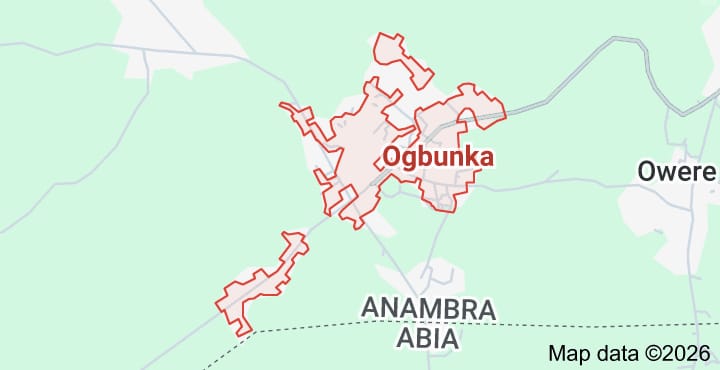
For 10 days, the heart of Ogbunka, an ancient community in Orumba South, Anambra State has been busy. From infants to elders, men and women have trooped out in numbers for something that once meant costly trips and long waits. Thanks to the Ogbunka Development Union (ODU), National Identification Number capturing and registration is now happening right in town, free, fast, and for everyone, reports Ekuson Nw’Ogbunka Our Managing Editor.
The exercise kicked off on July 1, 2026 and will run through July 10, 2026.
It was designed with one clear target: to ensure 1,000 Ogbunka residents, from day-old babies to 100-year-olds, are captured and registered in the National Identity Database.
This massive community drive is powered, organized, sponsored and fully paid for by the Ogbunka Development Union, ODU. The project is being driven as part of the union’s Community Social Responsibility, CSR, under the leadership of the dynamic President General.
For many years, getting an NIN meant traveling to the local government headquarters. Ogbunka people typically spent between ₦10,000 and ₦11,000 per person, not counting transport fare and time lost. Today, that burden has been completely lifted.
“Today it is at our doorstep and it has been paid for by the town union,” residents said with relief as they came out to be captured. Families who previously could not afford the fee are now able to register every member of their household without spending a kobo.
The turnout has been remarkable.
Parents brought newborns, youths came in groups, and elders in their 70s, 80s and 90s sat patiently to complete the process, knowing that the NIN is now mandatory for banking, SIM linkage, healthcare access and government services.
Officials from NIMC, working alongside the ODU team, have maintained order and efficiency throughout the 10 days.
The goal is simple: make the process dignified, seamless, and accessible to every Ogbunka son and daughter, regardless of age or status.
Community leaders say the initiative is about inclusion and identity.
No Ogbunka indigene should be excluded from national programs simply because of cost or distance, they noted.
The impact is already being felt.
Households are saving thousands of naira, students can now process school documents, and business owners can meet compliance requirements without leaving town.
Across the registration centers, appreciation has been loud and consistent. “Kudos to the President General and his team,” residents chorused, describing the project as one of the most people-centered interventions in recent times.
Beyond registration, the exercise has strengthened the bond between the union and the people. It demonstrates that real development starts at home, when leaders invest directly in the welfare of their own.
As Day 10 draws to a close, Ogbunka is on track to meet its 1,000-registrant target. With the Ogbunka Development Union bankrolling the process, NIN is no longer a struggle. It is now truly at our doorstep, free for all.