









By Ekuson Nw’Ogbunka in Abuja
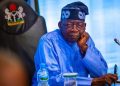
In what is being hailed as the most significant welfare intervention for Nigeria’s military in decades, President Bola Ahmed Tinubu, GCFR, has approved a sweeping salary increase of between 30 and 80 per cent for officers and men of the Nigerian Armed Forces.
The move, effective from September 1, is more than a pay adjustment. It is a direct investment in morale, operational readiness, and the psychological assurance of the approximately 250,000 men and women who risk their lives daily to keep Nigeria safe.
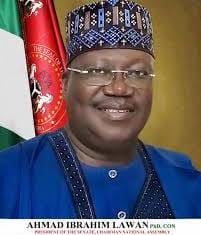
According to a press release signed on Tuesday by Senator Ahmad Ibrahim Lawan, Chairman, Senate Committee on Defence, the decision underscores the administration’s recognition that no nation can win its wars on an empty stomach or with a demoralized force.
This decisive executive action raises the annual wage bill from ₦660 billion to ₦924 billion — a ₦264 billion vote of confidence in the Armed Forces at a time when the nation faces complex security challenges across multiple theatres.
For the junior ranks who carry the heaviest burden of combat, the impact is immediate and profound. Privates, Lance Corporals, Corporals, and Sergeants up to Staff Sergeant will receive an 80 per cent increase — a renewed covenant of care for those who bear the physical toll of asymmetric warfare.
Middle cadre personnel from Warrant Officer to Colonel will get a 50 per cent rise, while senior officers up to the rank of General will receive a 30 per cent adjustment. The structure is deliberate, fair, and holistic, covering the entire chain of command.
Beyond the numbers, the increase sends a strategic message: the Commander-in-Chief sees the welfare of troops as central to national security. By prioritizing those on the frontline, the policy affirms that protecting lives and sovereignty begins with protecting those who protect us.
Senator Lawan described the approval as a “masterstroke of compassionate and strategic leadership.” He noted that improved emoluments will translate to higher motivation, better retention, and greater focus on mission rather than survival.
But with this historic gesture comes a clear expectation. Government has done its part by providing the resources; the Armed Forces are now called to reciprocate with intensified rededication and operational efficiency.
The Defence Committee Chairman stressed that improved funding must be matched by improved synergy. The era of inter-service rivalry and compartmentalized operations must end.
He charged the Army, Navy, and Air Force to integrate operations and intelligence-sharing mechanisms. Modern threats — from terrorism to banditry to cyber crime — demand that the services fight not as separate entities, but as one unified, lethal, and professional force.
The expectation is that this pay rise will serve as a catalyst for a coordinated final push to restore peace to every troubled corner of the country. Better equipped and better motivated troops, working in concert, can alter the security equation.
On the legislative side, Senator Lawan assured that the Senate Committee on Defence will continue to protect robust appropriations for security.
“No legislative obstacle will be allowed to hinder the total defeat of the enemies of the state,” he stated, pledging that the National Assembly will match the President’s commitment with the resources and oversight needed to sustain the gains.