

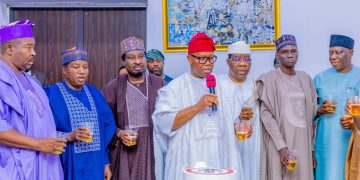
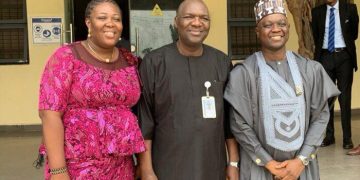







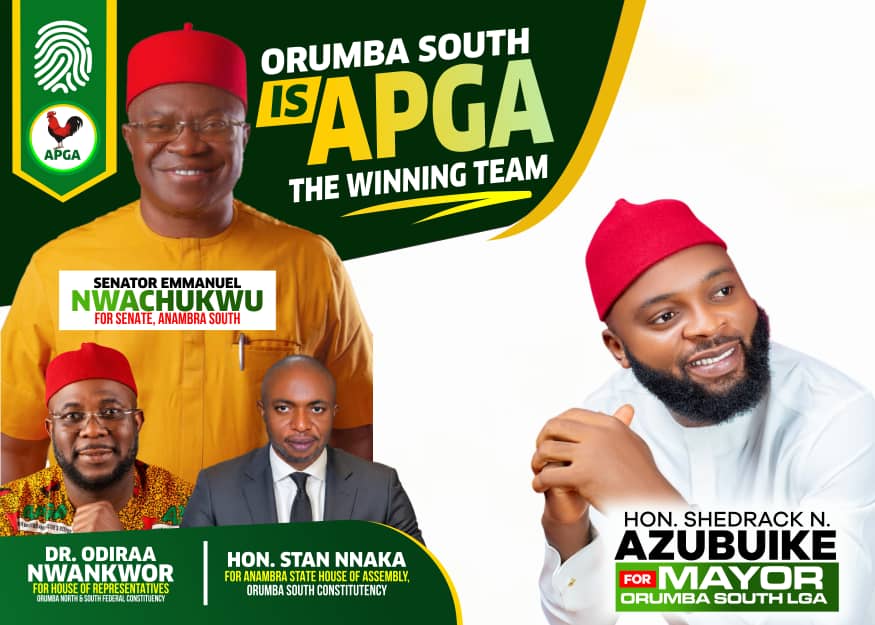
As political activities heat up ahead of 2027, the Grassroots Movement Team has launched a campaign built entirely on one theme: unity. With the rallying cry “United We Stand,” the group is asking constituents to set aside divisions and rally behind what it calls “the right candidates.” It’s a message designed to appeal to voter fatigue, years of alleged “divide-and-rule politics,” neglected infrastructure, and hopelessness among youth. But in a constituency where unity is often preached during campaigns and forgotten after elections, the critical question, from Ekuson Nw’Ogbunka, Our Managing Editor on Thursday, is whether this new push can move from slogan to strategy, or if it will end up as just another political chorus.
The Core Message
“Just as many trees grow together to form a rich, protective forest, people must combine their voices and talents to succeed,” the campaign stated. The analogy frames unity not as an option but as survival. “A single voice is easily missed, but a united group becomes a powerful force,” it added, directly targeting voters who feel ignored individually.
Diagnosing The Problem
The campaign blames “divide-and-rule politics” for the constituency’s current state, fragmented communities, neglected infrastructure, and youths “searching for hope.” This diagnosis mirrors complaints heard in town halls and on the streets, giving the message immediate resonance even among undecided voters.
The Proposed Solution
“Solution Has arrived: Join the right candidates to tear down these walls and build bridges—bridges of collaboration, trust, and mutual respect.” The language is deliberate. It positions the Grassroots Movement and its candidates as bridge-builders rather than part of the existing political establishment accused of fueling division.
From Slogan to Strategy
Crucially, the team calls for action beyond emotions: “It is time to unite together, focus on sharing tasks to build momentum.” This suggests a plan for decentralized, community-driven mobilization. The test will be whether “sharing tasks” translates into ward structures, youth programs, and clear policy goals, or remains at the level of rhetoric.
The Emotional Appeal
“Our strength lies in our unity. When we rise together, with one purpose, we cannot be stopped.” This is the emotional high point of the message. It taps into existing communal structures, town unions, age grades, and women groups that already operate on collective effort, making the pitch feel familiar rather than foreign.
The Credibility Gap
Yet unity campaigns face a familiar hurdle: specificity. The statement urges constituents to “Join Grassroots movement team campaign today support the candidates for a better and greater constituency we deserve,” but does not name the candidates, their track records, or concrete policy proposals. Without that, “unity” risks being dismissed as another election-season buzzword.
What’s at Stake
“Let this upcoming election be about the future of our Constituency,” the team declared. By framing 2027 as a choice between fragmentation and collective progress, the campaign is raising the stakes. It is betting that voters are ready to prioritize cohesion over personality politics.
Conclusion
The “UnitedWeStand” message succeeds in naming a real problem, division, and offering unity as the antidote. Its success, however, will depend on delivery. If the Grassroots Movement can turn this call into visible collaboration, transparent candidate selection, and actionable plans for infrastructure and youth empowerment, it could reshape the race. If not, it will join a long list of well-meaning slogans that sounded good on paper but faded after the ballots were counted.
.