






•As journalists deploy workshop to examine unlawful budget insertions, accountability and AI-driven journalism
By Ekuson Nw’Ogbunka in Abuja
The integrity of Nigeria’s national budget will come under scrutiny on Monday as the Senate Press Corps (SPC) convenes its 2026 Capacity-Building Workshop, bringing lawmakers, budget specialists, civil society advocates and media professionals together to examine how legislative oversight and journalism can help protect public resources.
The workshop, themed “Leveraging Legislative Oversight and Media Collaboration to Safeguard the National Budget from Unlawful Insertions,” is coming at a time when scrutiny of the budget process remains central to wider conversations about transparency, accountability and responsible management of public funds.
In a statement e-signed by SPC Chairman, Taiye Odewale, the organisers said the theme reflects the need for effective legislative oversight, responsible journalism and public accountability to ensure that the national budget remains aligned with approved priorities and the broader interests of Nigerians.
The workshop is expected to provide a platform for examining the budget process beyond the formal passage of appropriation bills, particularly the mechanisms available to lawmakers, journalists and civil society organisations to scrutinise proposed projects, allocations and implementation.
Among the resource persons invited to address participants are the Minister of Budget and Economic Planning, Senator Abubakar Atiku Bagudu; Executive Director of CISLAC, Auwal Rafsanjani; BudgIT Director, Oluseun Onigbinde; and Publisher of Eagle Times Newspaper, Ikechukwu Chukwunyere.
Their participation is expected to bring government, legislative, civil society and media perspectives into the discussion, potentially allowing participants to examine both the institutional responsibilities and practical challenges involved in tracking public expenditure.
The organisers are also incorporating technology into the programme, with an intensive session on Artificial Intelligence tools to be facilitated by London-based instructors from Mass Media TX Limited.
The AI component reflects the changing nature of journalism, where emerging technologies are increasingly being applied to research, data analysis, information verification and content production. For legislative correspondents, such tools could also have practical applications in analysing large volumes of budgetary and legislative information.
The workshop is expected to attract senior officials and lawmakers, including Senate President Godswill Akpabio; Deputy Senate President Barau Jibrin; Senate Committee on Media and Public Affairs Chairman Yemi Adaramodu; Appropriations Committee Chairman Olamilekan Adeola; Finance Committee Chairman Sani Musa; Petroleum (Downstream) Committee Chairman Kawu Sumaila; and Clerk to the National Assembly, Kamoru Ogunlana.
Beyond the presentations, the central issue before participants will be how oversight and public-interest journalism can complement one another without compromising professional standards or institutional responsibilities.
For the media, effective budget reporting requires more than reproducing figures contained in appropriation documents. It involves interrogating allocations, following implementation, seeking explanations from relevant authorities and presenting verified information to the public.
For the legislature, effective oversight similarly depends on scrutiny of government expenditure and implementation, within the constitutional and statutory responsibilities of the National Assembly.
The SPC said the workshop would therefore seek practical approaches to strengthening the budget process, improving oversight mechanisms and enhancing cooperation between legislative institutions and the media.
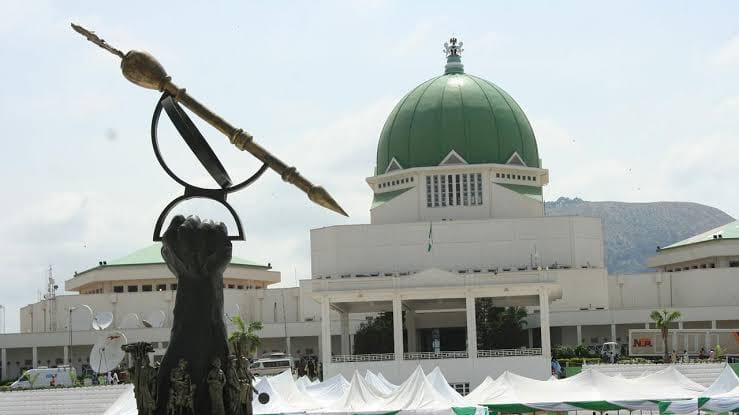
The 2026 Capacity-Building Workshop will hold at National Assembly on Monday, with the organisers expressing optimism that the programme will deepen participants’ understanding of budgetary processes and strengthen professional engagement on transparency, accountability and responsible public expenditure.
The first version is tighter and more suitable for a national newspaper, while the second gives the subject more context and analytical depth for an online publication.