








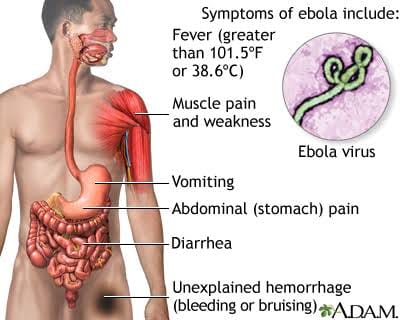
In this analysis, Ekuson Nw’Ogbunka, Our Managing Editor writes in Abuja that the Senate’s call for the Federal Government to release ₦10 billion in emergency funding to combat Ebola has brought renewed attention to Nigeria’s public-health preparedness, the sustainability of emergency medical facilities and the need for transparency in the management of public resources.
While urgent funding may be essential to protect lives and prevent the spread of a dangerous infectious disease, the proposal also raises legitimate questions about existing healthcare capacity, previous investments in emergency response and the safeguards required to ensure that additional expenditure delivers measurable results.
The urgency of the Ebola threat
The threat posed by Ebola demands a coordinated and timely response from the Federal Government, state governments and relevant public-health agencies. Where an outbreak or suspected case is confirmed, rapid detection, effective isolation, contact tracing, laboratory testing and public education are essential to limiting transmission. The immediate priority must therefore be to ensure that health authorities have the resources and operational capacity required to protect the population.
Why the Senate’s intervention matters
The Senate’s call for ₦10 billion in emergency funding highlights the importance of legislative involvement in responding to public-health threats. By drawing attention to the financial requirements of disease control, the National Assembly can help ensure that the government acts promptly. However, the effectiveness of such an intervention should ultimately be assessed by the resources delivered, the measures implemented and the protection provided to citizens.
The feed for clear information
An effective public-health response depends on accurate and timely communication. Nigerians need reliable information from the relevant health authorities about any confirmed cases, the locations affected, the measures being taken and the risks facing the public. Such information should be based on verified findings rather than speculation, particularly because inaccurate reports can create unnecessary fear and undermine public confidence.
What happened to previous investments?
One important question is the present condition of the isolation centres, laboratories, medical equipment and emergency treatment facilities established or upgraded during previous public-health crises. These investments were intended to strengthen Nigeria’s ability to respond to infectious diseases. The relevant authorities should therefore explain which facilities remain operational, what maintenance has been undertaken and whether the equipment and personnel required for emergency response are available.
Lessons from the COVID-19 pandemic
Nigeria’s experience during the COVID-19 pandemic demonstrated the importance of mobilising resources quickly to support healthcare delivery, acquire medical supplies and protect vulnerable communities. It also underscored the need for strong financial controls when substantial public funds are committed under emergency conditions. The lessons from that period should inform the management of any new Ebola-related allocation.
Accountability without premature conclusions
Questions about the management of funds allocated during previous emergencies deserve serious attention. However, allegations of diversion, waste or mismanagement must be assessed through credible documentation, audit reports and appropriate investigations. Where wrongdoing is established, the relevant authorities should take action in accordance with the law. Until then, public discussion should distinguish between concerns requiring investigation and facts that have been formally established.
How much has already been spent on preparedness?
Before additional funding is committed, the government should provide a clear account of relevant previous allocations for Ebola preparedness and related disease-control measures. Such information should identify the amounts approved, the sums actually released, the agencies responsible, the activities undertaken and the results achieved. This would help the public and lawmakers understand the extent of existing preparedness and identify areas where additional investment is necessary.
Approval, release and expenditure are D
different
Public financial management requires a clear distinction between the approval of funds, their actual release and their eventual expenditure. An announced allocation does not automatically mean that the money has reached implementing agencies or that the intended activities have been completed. Regular reporting on these separate stages would give Nigerians a clearer picture of how emergency resources are being mobilised and used.
Is ₦10 billion sufficient and necessary?
The proposed ₦10 billion should be assessed against a documented assessment of the country’s immediate public-health needs. Such an assessment should identify requirements for medical supplies, laboratory services, protective equipment, healthcare personnel, surveillance, contact tracing and public communication. The government should also explain which needs cannot be met through existing resources and why additional funding is necessary.
The amount alone cannot establish whether the proposal is adequate or excessive. That determination requires reliable information about the scale of the threat, operational gaps and the cost of the proposed interventions.
The role of the health authorities
The Federal Ministry of Health and Social Welfare, the Nigeria Centre for Disease Control and Prevention, and other relevant agencies should provide the technical and operational information needed to guide the response. Their responsibilities include identifying capacity gaps, coordinating disease surveillance, supporting affected states and ensuring that essential medical resources are available where they are needed.
Their communication should also explain the measures being taken to strengthen prevention, early detection and rapid response, rather than focusing exclusively on the financial requirements of the exercise.
Legislative oversight must go beyond funding requests
The National Assembly has an important responsibility to ensure that emergency funding is supported by clear objectives and appropriate reporting requirements. Relevant committees should seek periodic updates on implementation, examine expenditure records and assess whether the intended results are being achieved.
Oversight should be timely and practical. It must not obstruct urgent medical interventions, but it should provide reasonable assurance that public funds are being used for their approved purposes.
Procurement and independent scrutiny
emergency procurement may require speed, but it should still comply with applicable laws and regulations. Clear records of purchases, contracts, deliveries and payments would help establish whether the resources provided have reached the intended beneficiaries.
Where appropriate, the Auditor-General and other authorised oversight bodies should examine the expenditure. Independent scrutiny can help identify weaknesses, strengthen public confidence and reduce the risk of waste or irregularities.
Avoiding unnecessary duplication
Nigeria should not have to rebuild its emergency response capacity from the beginning every time a new public-health threat emerges. Facilities, equipment and systems established during previous outbreaks should, where suitable and functional, support the current response.
The government should therefore assess existing infrastructure before committing substantial resources to new projects. Where facilities are operational, they should be deployed effectively. Where deficiencies exist, the authorities should explain the repairs, equipment or additional capacity required.
A transparent and measurable response
The proposed funding should be accompanied by a clear implementation plan identifying priority activities, responsible agencies, timelines and measurable targets. Regular public updates should explain what has been delivered, what remains outstanding and whether the response is achieving its objectives.
The government should also make clear how federal and state authorities will coordinate their activities, particularly in surveillance, laboratory testing, public education and the management of suspected or confirmed cases.
Such measures would allow the public to assess progress based on verifiable information rather than announcements alone.
Conclusion: Protecting lives and public resources
Ultimately, Nigeria’s response to Ebola must place the protection of human lives above every other consideration. Nevertheless, the urgency of a public-health emergency does not eliminate the need for transparency, prudent expenditure and effective oversight.
The Senate’s request for ₦10 billion should therefore serve as an opportunity to strengthen both the country’s immediate response and its long-term public-health preparedness. The government should explain the basis for the proposed expenditure, account for relevant previous allocations and demonstrate how existing facilities will be used.
The central issue is not simply how much money Nigeria is prepared to spend, but whether the resources available are being deployed effectively to prevent transmission, support healthcare workers and protect citizens.
By combining timely intervention with transparent financial management, independent scrutiny and measurable outcomes, the government can strengthen public confidence and demonstrate that the lessons of previous public-health emergencies are informing its present decisions.