






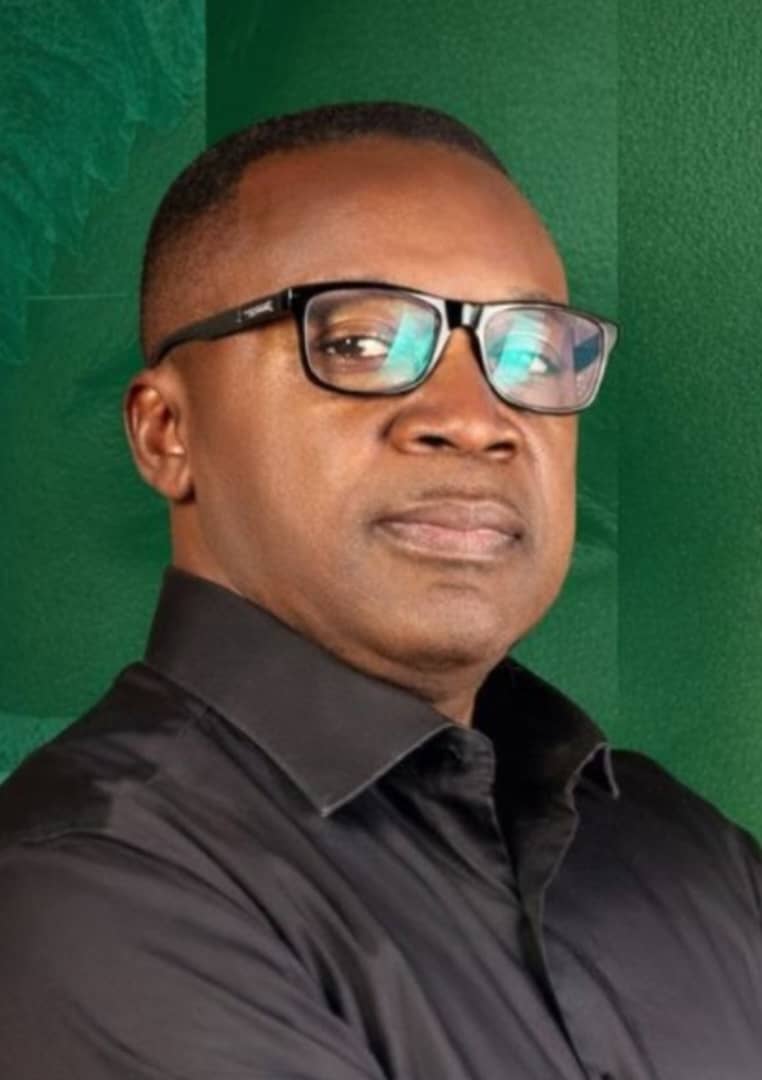
By Hon. Frank Chike Okoli
Democracy is more than ballot boxes and election results. At its heart, democracy is a covenant of trust between the government and the governed. And that trust rests on two non-negotiable pillars: Transparency and Accountability.
Without them, elections become rituals, governance becomes a private business, and leadership becomes rulership.
The Crisis of Trust in Our System
Twenty-six years into the Fourth Republic, Nigerians are asking a simple question: “Where is our money going?”
From padded budgets to abandoned projects, from ghost workers to inflated contracts, the gap between government promises and citizen experience keeps widening. The reason is not a lack of laws. It is a lack of openness and consequence.
Transparency means the people have a right to see. To see the budget. To see the contract. To see who got what and at what cost.
Accountability means leaders have a duty to answer. To explain decisions. To face sanctions when they fail and commendation when they succeed.
When either is missing, corruption fills the vacuum.
Leadership: The First Line of Defence
Leadership sets the tone. A leader who treats public office as a personal estate will produce a government of secrecy. A leader who treats it as public service will open the books.
True leadership in a democracy demands three things:
Example: Live modestly. Declare assets. Refuse the temptation of “national cake” politics.
Openness: Publish budgets, procurement data, and project details in formats citizens can understand and track.
Submission to Law: No sacred cows. The law must apply equally to the powerful and the powerless.
As the Osun governorship election showed, when the people are vigilant and the process is transparent, even money and federal might cannot override the people’s mandate. That is democracy defending itself.
Strengthening Our Democratic Institutions
Our institutions were designed to check power. But many have been weakened by politics and poor funding.
To restore them, we must:
Fully Implement the FOI Act: Government information belongs to the people. Delays and denials must attract penalties.
Empower the Legislature: Oversight should not be a rubber stamp. Public hearings and committee reports must lead to action.
Protect the Judiciary: Justice delayed is accountability denied. The courts must be independent and swift.
Digitize Governance: E-procurement, IPPIS, and Treasury Single Account must be expanded to remove human discretion and leakages.
The Role of the Citizen
Government will only be as transparent and accountable as the people demand it to be.
Citizens must move from spectators to participants. This means:
Tracking Budgets: Use platforms like BudgIT and Tracka to monitor projects in your LGA.
Asking Questions: Attend town halls. Demand performance reports from your councillor, House member, and governor.
Protecting the Ballot: Reject vote buying. A vote sold for ₦5,000 mortgages the next four years.
Democracy is not a spectator sport. It is daily work.
The Way Forward
Nigeria does not need new slogans. We need new habits. Habits of openness. Habits of answering questions. Habits of consequence.
Transparency tells citizens: “This is what we are doing with your money.”
Accountability tells leaders: “You will answer for your stewardship.”
If we entrench both, we will see less waste, more development, better schools, functional hospitals, and roads that last beyond one rainy season. More importantly, we will restore faith in the Nigerian democratic system.
The people’s position remains clear: Government exists to serve, not to be served. And service without transparency and accountability is a fraud.
The task before us is not for government alone. It is for leaders, institutions, the media, civil society, and every Nigerian.
Let us choose openness over secrecy.
Let us choose answerability over impunity.
Let us choose Nigeria.
God bless the Federal Republic of Nigeria.