



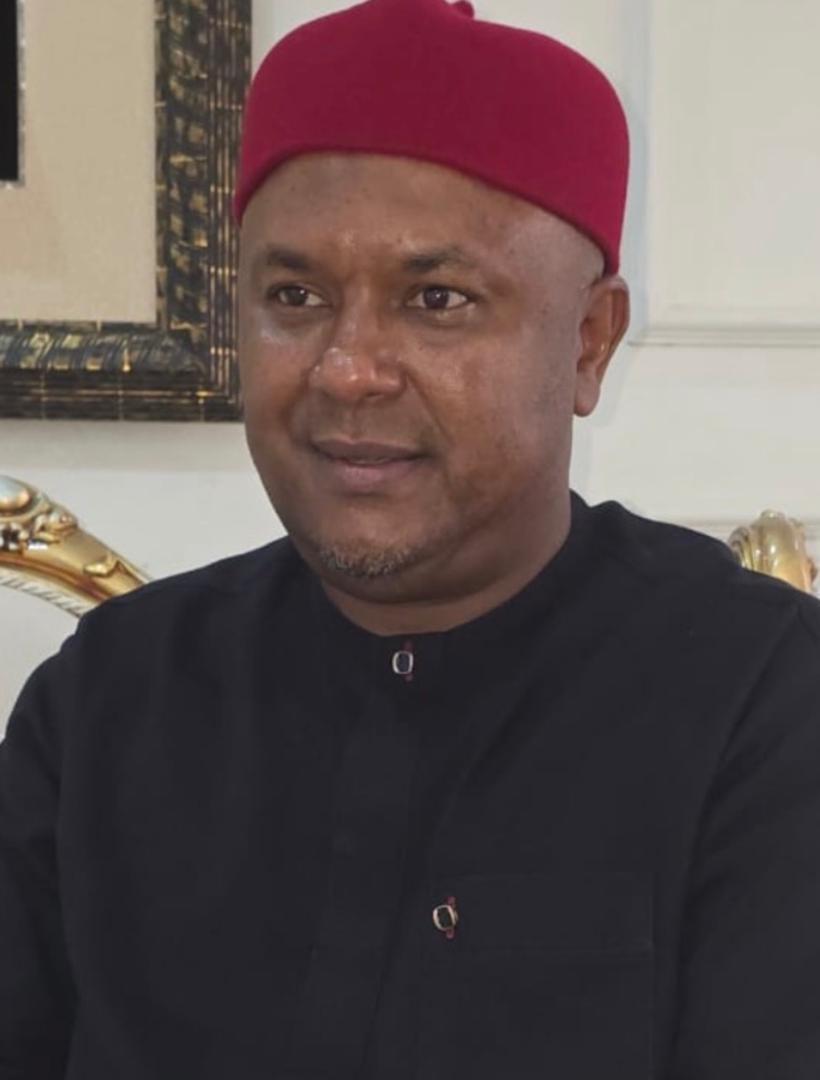
As political activities ahead of the 2027 general elections gather momentum, candidates seeking to represent the people at the National Assembly are increasingly outlining their visions and priorities. Abba Hassan Grema, the Nigerian Democratic Congress (NDC) candidate for AMAC/Bwari Federal Constituency of the Federal Capital Territory (FCT), says effective representation must begin with listening to the people.
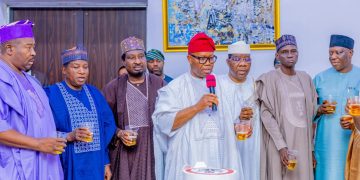
In this interview with Aba O. Aba in Abuja, shortly after addressing members of the Anambra State Towns People Association (ASTPA) during the inauguration of its women’s wing, Grema speaks on his understanding of parliamentary representation, his proposed engagement with constituents, the hardship facing Nigerians and the place of human development in his legislative agenda. Excerpts.
What exactly do you intend to offer the people of AMAC/Bwari if elected?
Representation is all about representing the general people at the parliament. What they deserve is quality and effective representation, and that is what we are going to offer.
What do you mean by quality and effective representation?
It means that the representative must understand the people, know their problems and properly present their interests at the parliament. You cannot represent people effectively if you don’t know what they are going through.
How do you intend to know the problems of the people?
It is an engagement process. We have to engage the people of AMAC/Bwari to know what they need most.
So, consultation with constituents will be part of your approach?
Yes. We need to listen to the people. We need to know their priorities and understand what affects them directly. That is how we can properly represent them.
What would be your immediate priorities if you win the election?
My priority is the common people. You know the hardship in this country. We need to pay attention to human beings and their development.
Why are you emphasising ordinary citizens?
Because they are the people who feel the impact of government policies directly. When there is hardship, it is the ordinary people who suffer most. So, human development must be taken seriously.
Do you believe the Federal Government’s policies should influence your legislative agenda?
Of course. We need to understand the policies of the government and how they affect our people. But our responsibility as representatives is also to ensure that the interests of our constituents are properly presented.
What would distinguish your representation from what constituents have experienced before?
It is not going to be business as usual. We want a different approach to representation—one that involves engagement with the people and focuses on what they actually need.
What does “business as usual” mean in this context?
It means that representation should not simply be about going to parliament and coming back without meaningful engagement with the people. The people should know what their representative is doing, and the representative should know what the people want.
How important is human development to your vision?
It is very important. With the hardship in the country, human development should be a priority. We need to look at the people, their welfare and how they can improve their lives.
Would you be able to address all the challenges of AMAC/Bwari from the National Assembly?
No single representative can solve every problem. But a representative can identify the problems, raise them at the appropriate level and work with relevant authorities and stakeholders to seek solutions.
What message do you have for the people of AMAC/Bwari?
I want them to understand that representation is about them. We are coming to offer quality and effective representation. We will engage them, listen to them and identify what they need most.
Finally, why should the people pay attention to your campaign?
Because we are proposing a representation that puts the people at the centre. It is about engagement, understanding their needs and ensuring that those needs receive attention at the parliament.