








In this piece, Ekuson Nw’Ogbunka, Our Managing Editor in Abuja the Federal Capital Territory (FCT) writes that when the Nigeria Customs Service (NCS) told the Senate on Monday that Import Duty Exemption Certificates approved since 2020 now stand at N34 trillion, it laid bare a central tension in Nigeria’s fiscal policy: the trade-off between immediate revenue collection and broader economic and security goals. The figure, presented by Comptroller-General Bashir Adewale Adeniyi, is forcing lawmakers to ask whether waivers are delivering results or simply eroding the national purse.
The Waiver Bill is Staggering
At N34 trillion, the value of IDEC approvals in 2025 alone dwarfs Nigeria’s annual budget. Even accounting for inflation and naira depreciation, the number signals how much potential revenue government has forgone to pursue specific policy objectives.
Security Takes the Biggest Bite
Adeniyi said 60% of the exemptions were for military hardware. In a country battling insurgency, banditry and oil theft, duty-free importation of defense equipment is a policy choice government considers non-negotiable, despite the revenue cost.
Beyond Guns: The Social and Industrial Waivers
The remaining 40% covers CNG and electric vehicles, healthcare equipment, industrial machinery, manufacturing inputs, and food imports. These align with efforts to cushion inflation, boost local production, and ease the energy transition.
Customs’ Revenue Picture
Despite the waivers, Customs is not underperforming entirely. Adeniyi reported N4.5 trillion collected by June 30 against a 2026 target of N11.04 trillion. That leaves N7 trillion to be raised in six months, a steep climb that makes every naira of waiver more politically sensitive.
The CG’s Core Argument
Adeniyi’s message was clear: judge fiscal policy not only by revenue but by outcomes. If duty-free medical equipment leads to cheaper healthcare, or duty-free machinery leads to more factories, then the waiver has value. But that “if” is where the problem lies.
Call for Monitoring Mechanisms
He suggested government set up stronger systems to track whether beneficiaries actually pass benefits to consumers through lower prices, higher output, or improved services. Without such tracking, waivers risk becoming blanket subsidies with no accountability.
Senate’s Parallel Concern: Un-remitted Surpluses.
While waivers dominated, the committee also surfaced old liabilities. The Fiscal Responsibility Commission alleged Customs still owes N8.9 billion in operating surplus from 2019. Customs rejected the claim, setting up a reconciliation process.
CAC Also in the Frame
The Corporate Affairs Commission reported N13.9 billion in unremitted operating surplus from 2023 to 2025. The Registrar-General, Hussaini Ishaq Magaji, said the debt is being paid gradually, but lawmakers want exact figures and a timeline.
Reconciliation Ordered
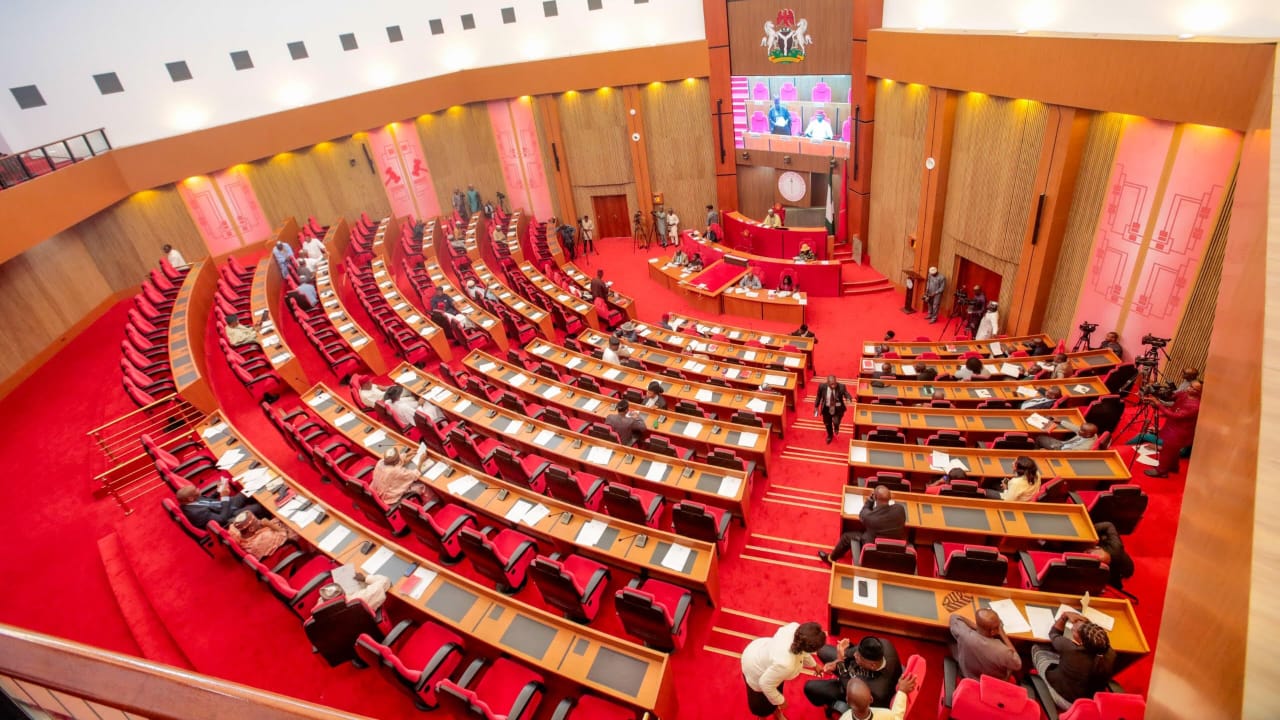
Senator Sani Musa directed CAC, FRC and the committee to meet and reconcile the books, with a report due in two weeks. The move shows the Senate is moving from mere questioning to demanding documented resolution.
No-Show Agencies Face Sanctions
The committee’s frustration boiled over with agencies like NCAA, ITF, SMEDAN and FMC Jabi that failed to appear. Musa warned they must attend the next sitting or face “severe sanction” under Senate rules. It is a signal that oversight will get tougher ahead of 2026 budget defense.
What the Waivers Reveal About Policy Design
The N34 trillion figure exposes a structural issue: Nigeria often uses tax and duty waivers as a shortcut to achieve policy goals instead of direct budgetary spending. It is faster, but less transparent and harder to audit.
The Equity Question
Who benefits most? Military procurement is straightforward. But for CNG vehicles, food, and industrial inputs, the public has little data on which companies got waivers, what they imported, and whether prices dropped. That information gap fuels suspicion.
Customs Caught in the Middle
Customs cannot reject a presidential or legislative waiver. Its job is to implement. Yet it gets blamed for revenue shortfalls. Adeniyi’s testimony was partly a defense of the Service and partly a plea for better policy coordination.
Implications for 2026 Budget
With N7 trillion still needed to meet target, Customs will likely intensify enforcement on non-exempt imports. Expect more scrutiny at ports, especially on items not covered by IDEC. That could raise trade costs and inflation if not managed carefully.
Oversight is Getting Sharpened
The Senate Finance Committee’s dual approach — questioning waivers and chasing unremitted surpluses — shows lawmakers are connecting revenue policy with public finance discipline. The reconciliation directive and sanctions threat suggest this is not a routine hearing.
Bottom Line
The N34 trillion waiver bill is not inherently bad, but it is a policy choice with consequences. If government can prove those waivers produced security gains, cheaper food, or new factories, the trade-off may be worth it. If not, the Senate’s next move will likely be to demand limits, sunsets, and strict reporting on every future exemption.