








Aba O. Aba in Abuja
NDC candidate places consultation, effective representation and human development at the heart of his campaign message
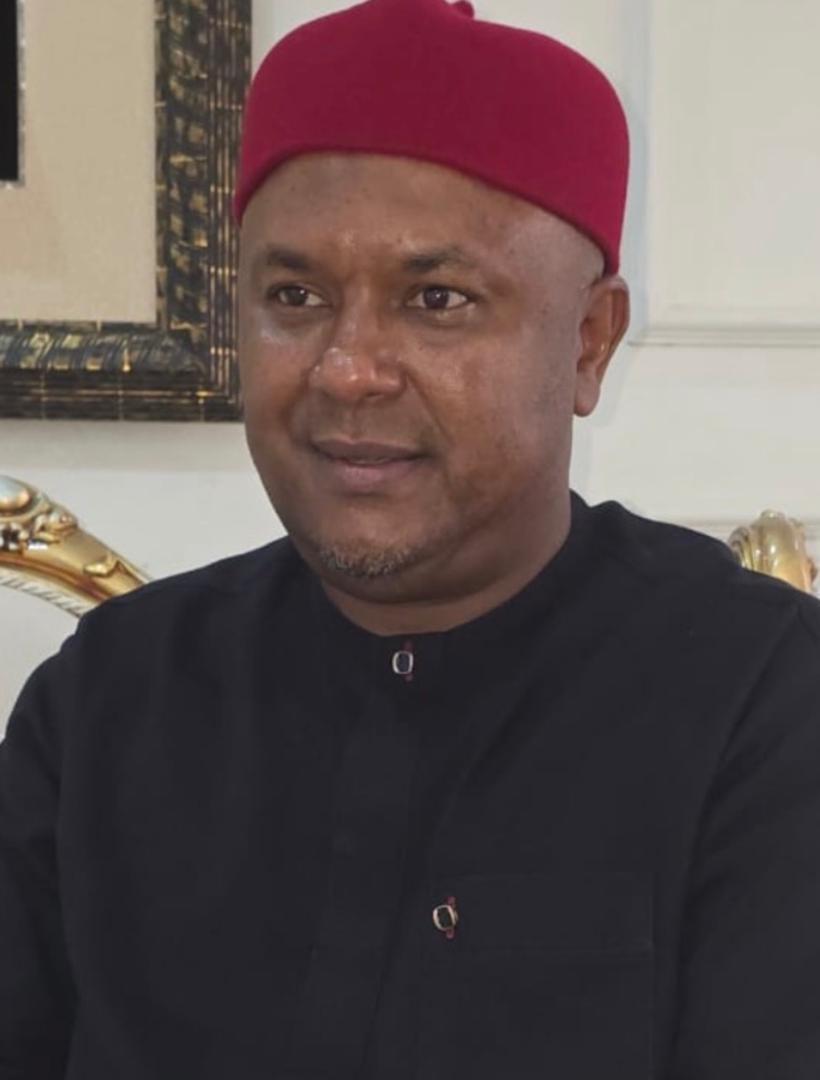
The emerging campaign message of Abba Hassan Grema, the Nigerian Democratic Congress (NDC) candidate for AMAC/Bwari Federal Constituency, is built around a relatively straightforward proposition: representation should begin with listening to the people.
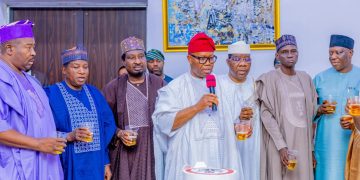
Speaking to journalists in Abuja after addressing members of the Anambra State Towns People Association during the inauguration of its women’s wing, Grema said residents of AMAC/Bwari deserved “quality and effective representation” and promised that it would not be “business as usual.”
His comments provide an indication of the issues likely to feature in his campaign as the 2027 general election approaches.
Representation and engagement
At the centre of Grema’s argument is the relationship between a legislator and constituents.
Rather than presenting representation simply as occupying a parliamentary seat, he describes it as an engagement process through which the representative identifies the most pressing needs of the people.
“We have to engage the people of AMAC/Bwari to know what they need most,” he said.
The proposition is straightforward, but its implementation would be the more significant test.
Regular consultations can help representatives identify local priorities, but consultation alone does not guarantee legislative outcomes. The effectiveness of the approach would depend on how identified concerns are converted into legislative advocacy, oversight activities, constituency projects or collaboration with relevant authorities.
Human development amid economic hardship
Grema also places human development among his priorities, linking the issue to the hardship currently being experienced by Nigerians.
That focus brings the discussion beyond constituency infrastructure to the broader question of how political representation can contribute to improving citizens’ living conditions.
However, because many economic and social policy issues fall within the responsibilities of the executive and other levels of government, a federal lawmaker’s role has limits.
A representative can legislate, participate in oversight, advocate for constituents and influence national debates, but cannot independently implement every programme required to address economic hardship.
The “business as usual” question
Grema’s declaration that “it’s not going to be business as usual” is therefore both a campaign promise and a proposition that can be tested.
The critical question for constituents will be what mechanisms he intends to establish to make the proposed difference visible.
Will there be regular town-hall meetings? Will constituency concerns be documented and prioritised? How frequently will constituents receive reports on parliamentary activities? What specific legislative issues will he pursue?
These are the practical questions that could give substance to his campaign message.
What voters may watch for
As the election approaches, Grema’s message is likely to be considered alongside the programmes, records and campaign commitments of other candidates.
For AMAC/Bwari voters, the key issue may ultimately be whether proposed people-centred representation can be translated into measurable parliamentary activity and sustained constituency engagement.
Grema has identified consultation, quality representation and human development as central themes. The next stage is to define the specific programmes and legislative objectives through which those themes would be pursued.
In that sense, the emerging campaign conversation in AMAC/Bwari is not only about who seeks the mandate, but also about what constituents expect that mandate to deliver.