









By Ekuson Nw’Ogbunka
Abuja
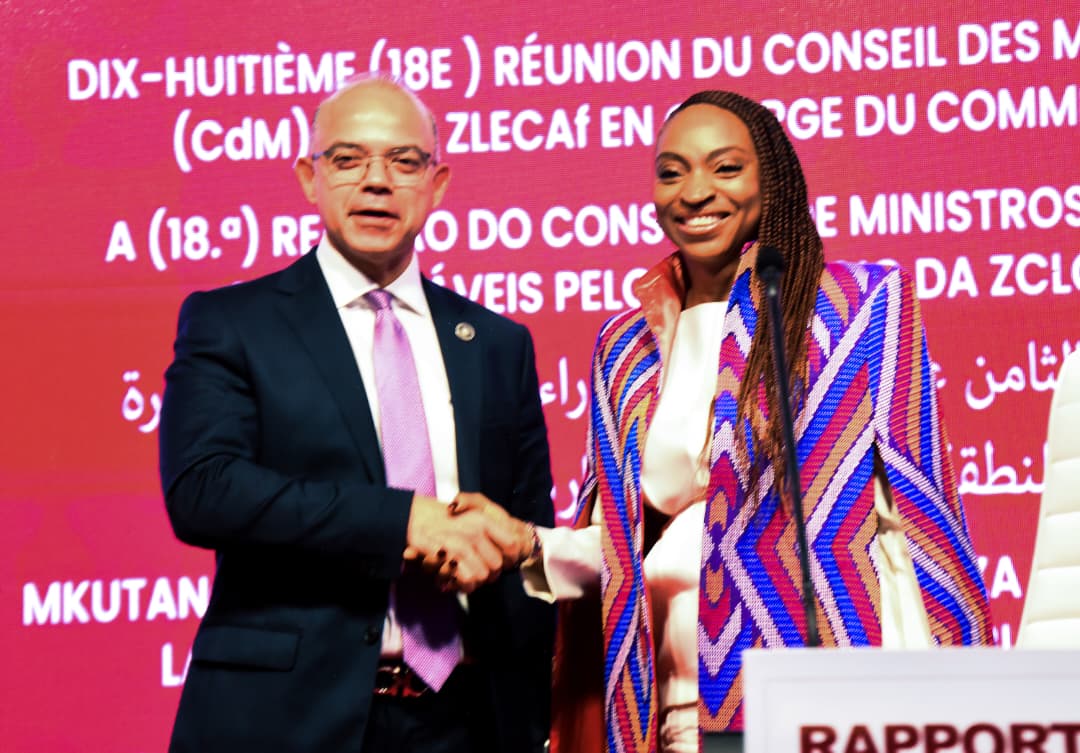
Nigeria has assumed the Chairmanship of the Bureau of the African Continental Free Trade Area (AfCFTA), Council of Ministers Responsible for Trade, signaling a push to move the continent’s flagship trade pact from negotiation to measurable results.
The Honourable Minister of Industry, Trade and Investment, Dr. Jumoke Oduwole, made the pledge on Tuesday at the 18th Meeting of the AfCFTA Council of Ministers in Abuja. She described the Agreement as one of the African Union’s most transformative initiatives and said Africa must now focus on delivering economic outcomes for businesses, women, youth, and the continent’s 1.4 billion people.
Dr. Oduwole outlined Nigeria’s implementation track record to back the leadership bid. She cited the operationalization of the Nigeria AfCFTA Coordination Office, submission of tariff concessions and services commitments, nationwide stakeholder engagement, export readiness programmes, and MSME support. Nigeria also became the first State Party to ratify the Protocol on Digital Trade.
As Chair of the Council Bureau, the Minister said Nigeria will work closely with Member States, the AfCFTA Secretariat, development finance institutions, and the private sector to deepen implementation. Her priorities include stronger regional value chains, expanded digital trade and infrastructure, improved access to trade finance, and more support for women- and youth-led enterprises.
She also urged Member States to adopt new legal tools such as the UN Convention on Negotiable Electronic Cargo Documents. According to her, modernizing trade documentation will cut costs and make cross-border digital trade safer and faster.
Outgoing Chair, Dr. Mohammed Saleh of Egypt, commended Nigeria for hosting the meeting and expressed confidence in its ability to lead the next phase. He noted gains under Egypt’s tenure, including progress on Rules of Origin for textiles, apparel and automotive products, and the adoption of regulatory frameworks on digital trade, finance, communication services, competition policy and intellectual property.
Saleh said the continent’s next focus should be faster implementation through expanded tariff concessions, stronger customs cooperation, better digital trade systems, and wider private sector participation.
AfCFTA Secretary-General, Mr. Wamkele Mene, said the adoption of the remaining annexes to the Protocol on Intellectual Property Rights completes Phase II negotiations. He reported that over 10,000 certificates of origin had been issued by March 2026, with intra-African trade projected to hit about US$230 billion in 2026, driven by manufacturing and value-added goods.
Mene added that shifting global supply chains, digital transformation, and Africa’s youthful population create a window to strengthen the continent’s trade position. He called for more collaboration and sustainable financing for the AfCFTA Secretariat, and welcomed the AU’s decision empowering the Council to speak with one voice to external partners.
The meeting closed with a renewed commitment to convert AfCFTA’s legal and institutional wins into jobs, factories, and markets. As Nigeria begins its tenure, expectations are high that it will provide strategic leadership to accelerate implementation and position the AfCFTA as an engine for Africa’s industrial competitiveness, economic resilience, and shared prosperity.