






By Ekuson Nw’Ogbunka in Abuja
President Bola Tinubu and APC governors have set October 1, 2026 as the deadline for Nigerians to begin seeing lower transport fares driven by CNG and electric vehicles. With a joint Federal-State committee and 1,000 refueling stations in the works, the promise hinges on whether cheaper fuel can truly translate to cheaper fares at the park. This analysis examines the plan, the numbers, and the challenges ahead.
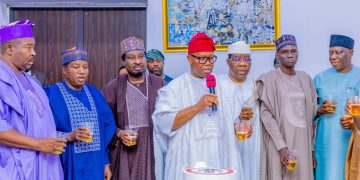
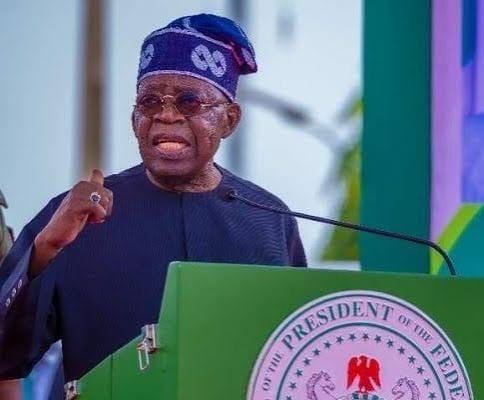
The Promise: After meeting with APC governors at the State House on Thursday, President Bola Tinubu announced that both federal and state governments will work together to reduce intra-state transportation costs, with October 1, 2026 set as the target date for Nigerians to start feeling the impact.
The Driver: According to the President, the governors resolved on their own initiative to take immediate measures. The core strategy is to leverage the cost advantage of Compressed Natural Gas, CNG, and electric vehicles to bring down operating costs for commercial drivers.
The Logic: The economics are straightforward. “A vehicle running on CNG spends 60 to 80 per cent less on fuel than one running on petrol,” Tinubu said. The administration’s objective is to ensure those savings are not kept by transporters but passed directly to commuters.
Why Intra-State Matters: Tinubu noted that intra-state transport is where Nigerians feel high costs most directly. Unlike interstate travel, daily commuting within cities is a recurring expense, and state governments hold the regulatory levers motor parks, routes, and local enforcement to enforce fare reductions.
The Structure: To drive implementation, a joint Federal and State committee will be established immediately. The committee is expected to harmonize policy, monitor compliance, and coordinate between the Presidential CNG Initiative and state transport authorities.
Federal Investment So Far: The Federal Government says it has already committed substantial resources. Over 120,000 vehicles have been converted to CNG nationwide under the Presidential CNG Initiative, with more than 100,000 additional conversion kits being processed.
Infrastructure Push: The Midstream and Downstream Gas Infrastructure Fund is financing more than 100 gas projects nationwide: 15 CNG mother stations and 86 daughter stations. Four projects were commissioned in May in Lagos, Abuja.
Scale Ambition: The President directed an additional rollout of 500 CNG refueling stations, to add to the 500 already ordered. That brings the planned national network to 1,000 stations. An Abuja facility alone is designed to serve 1,000 cars, tricycles, and 50 trucks and buses daily.
The Conversion Bottleneck: Converting 220,000+ vehicles sounds impressive, but Nigeria has millions of commercial buses, keke, and taxis. The pace of conversion centers will determine if supply can meet demand before October.
The Fare Transmission Problem: Cheaper fuel does not automatically mean cheaper fares. Without regulation or strong commuter advocacy, transport unions may retain the margin. The joint committee’s real test will be creating a mechanism to track and enforce fare adjustments at the park level.
State Leverage: Governors have the most direct power here. They control intra-state routes, park management, and can offer incentives like discounted park fees for CNG vehicles. Their buy-in, as seen in this meeting, is critical but must now translate to state-level action.
Security of Supply: CNG availability must be consistent. Previous fuel subsidy removals caused price shocks because supply chains were fragile. The 1,000-station target, including mother and daughter stations, is meant to prevent queues and black-market pricing.
Electric Vehicle Wildcard: EVs were mentioned alongside CNG, but details remain thin. Charging infrastructure, grid stability, and upfront vehicle costs are bigger hurdles than CNG conversion. CNG will likely carry the burden for
October 2026
Political Timing:* With 2027 elections approaching, this is both policy and politics. Delivering visible fare reductions by October 2026 would give the APC a tangible talking point. Failure, however, could deepen public cynicism about energy transition promises.
Bottom Line: The Tinubu administration has the policy framework, the numbers, and gubernatorial support. What remains is execution. “Each tier of government must keep doing its part,” the President said. If CNG conversion, station rollout, and fare monitoring align by October 1, Nigerians may finally see relief at the motor park. If not, the promise risks becoming another target date missed.