









Ekuson Nw’Ogbunka, Our Managing Editor, takes a look from Abuja, at the Federal Government’s ,(FG’s) move to set a clear performance test for the newly inaugurated boards of the Nigerian Investment Promotion Commission (NIPC) and the Nigerian Export Promotion Council (NEPC), by urging them to turn interest into investments, orders into shipments, and announcements into jobs on the way to a $1 trillion economy by 2030.
This was contained in a press release by the Head of Press and Public Relations of the Federal Ministry of Industry, Trade and Investment, Obilor-Duru Augustina Okechi, on Wednesday.
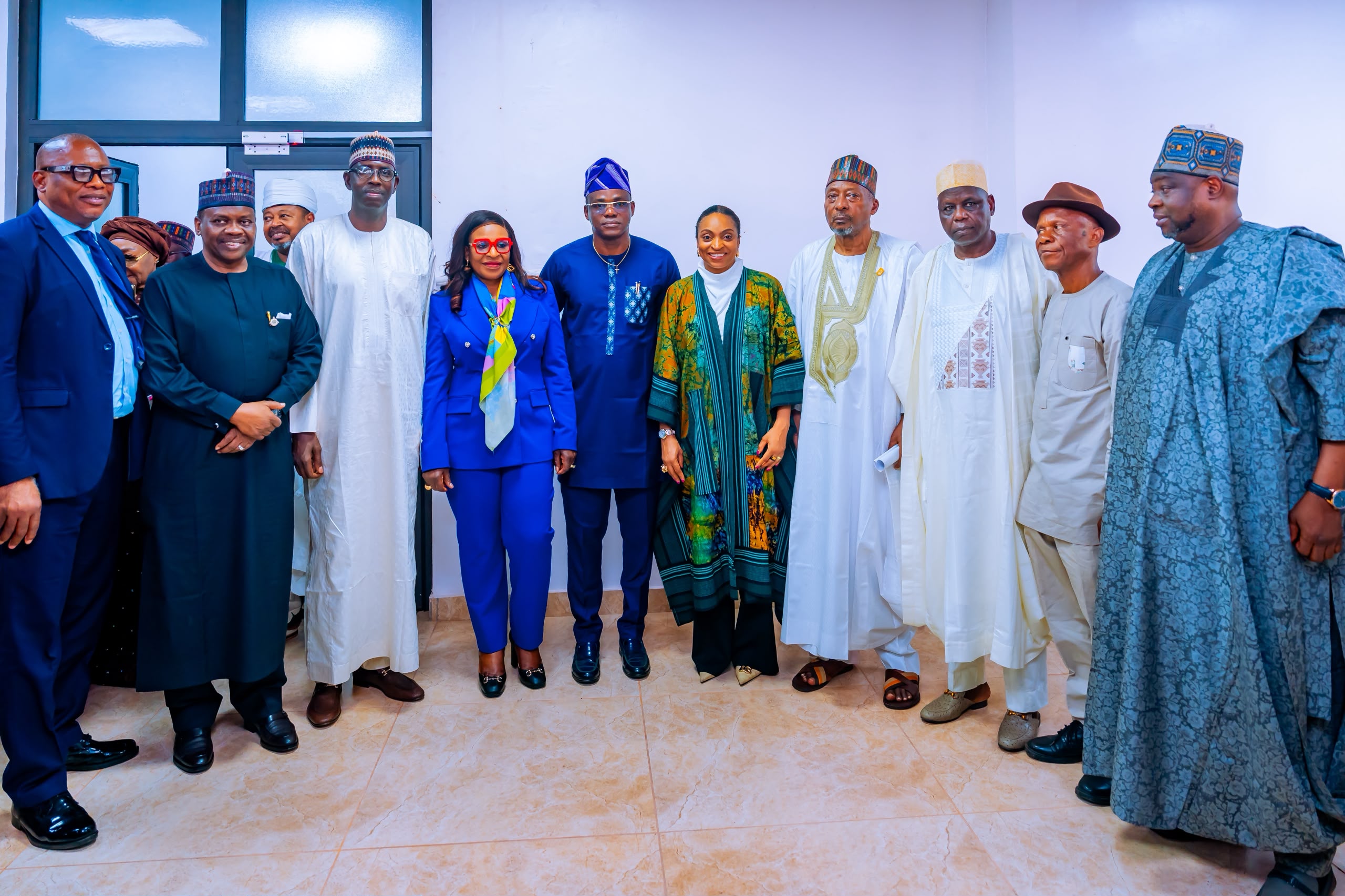
At the inauguration on October 27, 2026, the Minister of Industry, Trade and Investment, Dr. Jumoke Oduwole, told the 16-member NIPC Governing Council that investment promotion must deliver measurable benefits through local production, technology transfer and employment, not just headline figures of investment commitments.
The message to the 9-member NEPC Board was backed by numbers. According to the Minister, Nigeria’s formally documented non-oil exports grew by 11.5 per cent to $6.1 billion in 2025, up from $5.46 billion in 2024, while volumes rose from 7.29 million to 8.02 million metric tonnes.
The country exported 281 non-oil products to 120 countries, with cocoa beans, urea, cashew nuts and sesame seeds leading. For a country seeking to diversify from crude oil, the growth is encouraging, though still modest compared to the size of the economy.
For NIPC, Dr. Oduwole’s charge was specific: strengthen facilitation, improve the One-Stop Investment Centre, resolve bottlenecks and track projects from announcement to implementation. She also highlighted opportunities in manufacturing, solid minerals, energy and tech infrastructure.
This focus on tracking is important. Nigeria has a long history of announcing billions of dollars in investment pledges that never materialise. The Minister’s insistence on aftercare and state government collaboration addresses a known weak link where investors get stuck after entry.
For NEPC, the charge was value addition. Dr. Oduwole called for greater local processing, improved quality and compliance with international standards. The $6.1 billion figure is largely raw and semi-processed commodities; moving up the value chain is where jobs and higher earnings lie.
Her reference to the Nigeria-East and Southern Africa Air Cargo Corridor with Uganda Airlines and RwandAir shows the government recognises that logistics, not just production, determines export competitiveness. Air cargo costs have killed many non-oil export efforts.
The Minister also introduced a new measurement culture: measurable targets focused on actual investments realised, export orders secured, markets accessed and jobs created, with targeted support for women and youth-led enterprises.
This was reinforced by the Permanent Secretary, Dr. Chris Osa Isokpunwu, who urged the boards to prioritise governance, credible data and practical solutions to bottlenecks, measuring success by shipments completed and forex earned, not just meetings held.
In their responses, NIPC Council Chairperson Mrs. Temitope Kola-Oyenenyi pledged to strengthen investor confidence and ensure commitments translate into viable projects, while NEPC Board Chairman Alhaji Muhammed Munir Ja’afaru assured of commitment to deliver on the mandate.
In the end, the inauguration reaffirms the Renewed Hope agenda on industrialisation and diversification, but the real test is whether both boards can move the needle from $6.1 billion in non-oil exports to a figure that truly changes Nigeria’s forex story.