




For 31 days, Abuja felt different.
From the city centre to the satellite towns, the sound was not of politics, but of graders, cranes, and ribbon-cuttings. It was a marathon of projects, roads opened, bridges inaugurated, water works switched on, and public buildings delivered one after another.
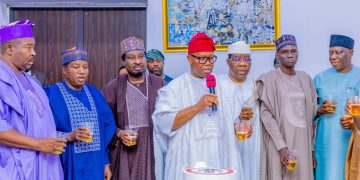
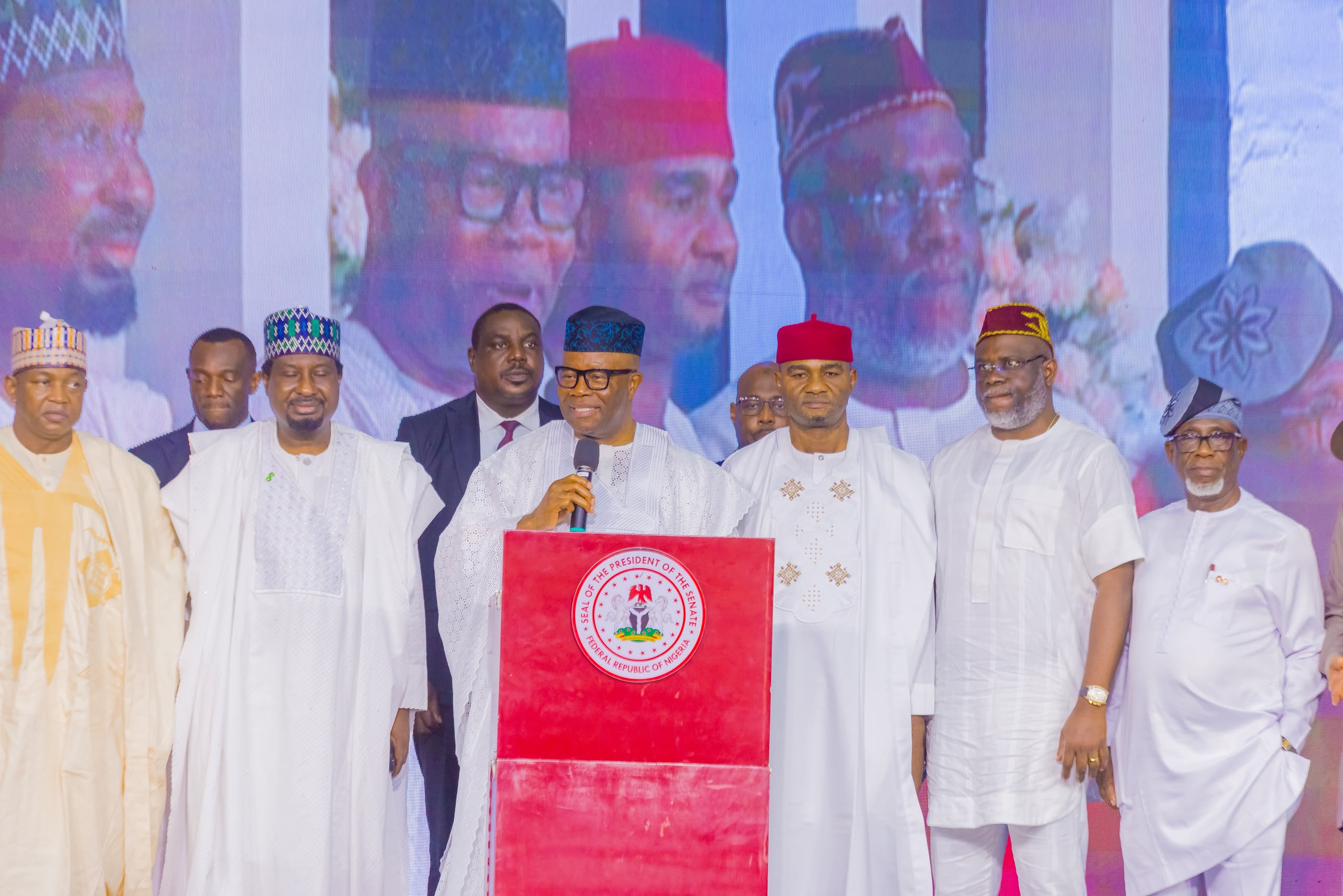
At the end of it, the Federal Capital Territory Administration ,(FCTA) hosted a grand “Thank You Dinner” to mark what it called the most intensive commissioning season in recent memory. The host was the FCT Minister, Nyesom Wike. The message was simple: promises made were being turned into projects seen, Ekuson in general
President Bola Tinubu, represented by Senate President Senator Godswill Akpabio, set the tone early.
He declared that 50 years after the creation of the Federal Capital Territory, Abuja was finally changing for the better under the current administration.
“Anyone who knows Minister Wike knows that he believes roads should move faster than rumours,” Akpabio said, quoting the President to a hall filled with ministers, lawmakers, traditional rulers and residents.
“And that the surest way to answer critics is not with another press conference, but with another completed project.”
The President’s words carried the weight of expectation. For years, residents had heard about masterplans. Now, they were driving on them.
“There is an old saying that while words may inspire, concrete convinces,” Tinubu’s message continued.
“Across the FCT, Nigerians are not merely hearing about development; they are driving on it. They are walking through it. They are living in it. That is how governance should be measured.”
Akpabio, speaking in his own capacity, called the 31-day exercise unprecedented.
He said no previous administration had commissioned such a quantum of projects in the FCT within such a short period.
The Senate President commended Wike for what he described as the visible transformation of the capital through impactful projects.
He also reminded the audience of the link between policy and people. “As legislators, we often pass appropriation bills. But every appropriation carries with it a sacred expectation,” he said.
“That somewhere, somehow, the figures on paper will become structures that improve human lives.”
“Tonight, we have seen what happens when budgets become bridges, policies become pavements, and promises become projects,” Akpabio added.
The projects under review were not small. The 31-day push by Minister Wike involved the inauguration and groundbreaking of critical roads, bridges, water works, public buildings, and public utilities.
From major arterial roads meant to ease traffic in the city centre to interventions in satellite towns long neglected, the scope was deliberate.
Wike, in hosting the dinner, framed it as a moment of accountability to the people who own the capital.
Akpabio assured the FCT Administration of the continued support of the National Assembly to sustain the momentum.
For the President, the exercise was proof that the campaign promises for a working FCT were not rhetoric.
As guests left the dinner, the conversation in Abuja had shifted. It was no longer about what would be done. It was about what had just been done, and what comes next.