










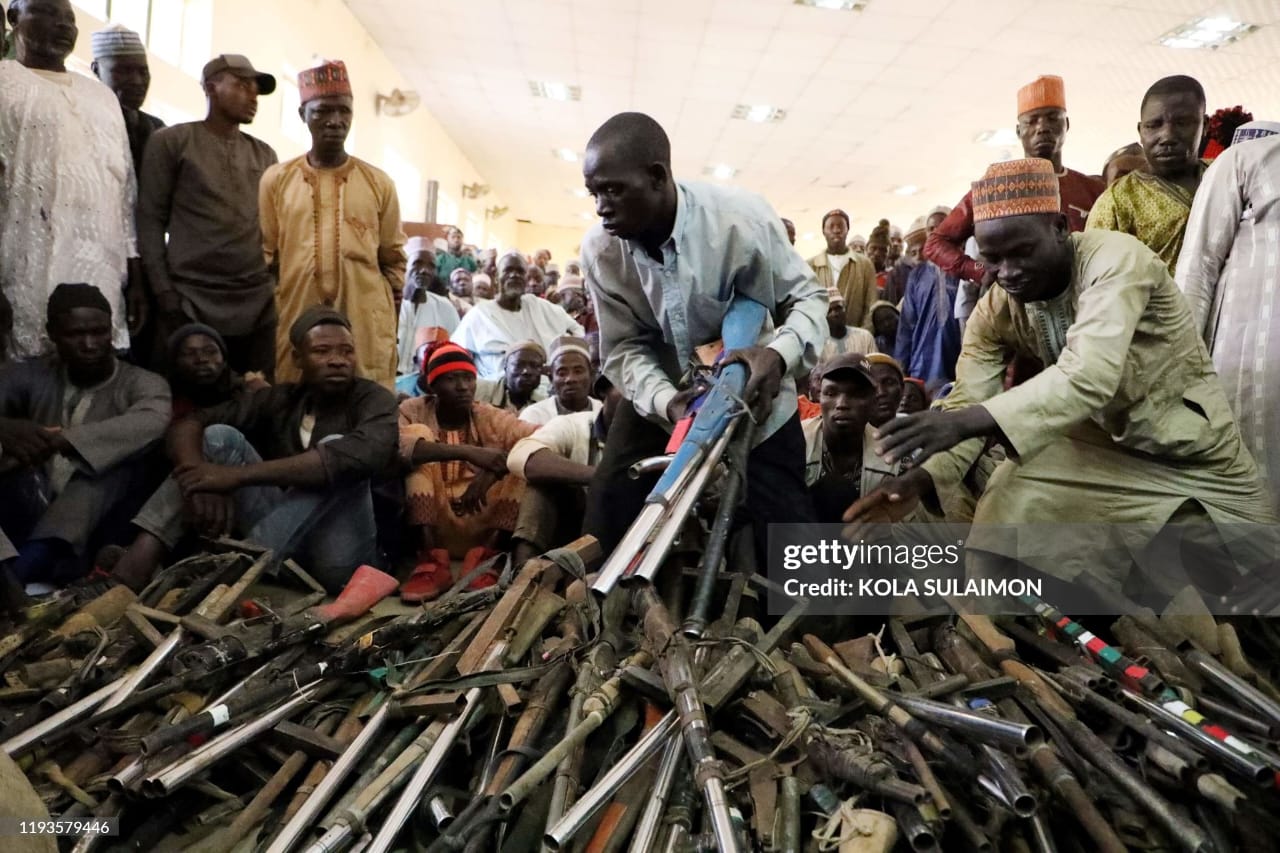
In this piece, Ekuson Nw’Ogbunka, Our Managing Editor, writes that the killings in Benue and Kaduna states last week and this week are a grim reminder that banditry and communal violence remain Nigeria’s most urgent security crisis. As the Northern Senators Forum (NSF) condemns the attacks and welcomes federal troop expansion, the question is no longer about intent, but about effectiveness. Can government, security agencies, and communities translate new policies and outrage into fewer body bags?
On Tuesday, July 28, 2026, gunmen struck Efeyi Community in Ugboju, Otukpo LGA, Benue, killing 13 people and injuring several others. Two days earlier, on Sunday, July 26, Naridon Village in Kauru LGA, Kaduna, lost about 30 lives, including women and children, with homes razed.
The Northern Senators Forum, in a statement by its Chairman, Sen. Abdulaziz Musa Yar’Adua, described the attacks as tragic and expressed sympathy to the affected governments and families. The condemnation is routine, but the frequency of such statements shows a deeper problem.
Government’s immediate response has been structural. President Bola Tinubu approved the expansion of the Nigerian Army from eight to 12 divisions and the recruitment of 28,000 additional personnel.
According to the Presidency, the goal is to decentralize command, strengthen border security, and improve response times. For the Senators, this is a “timely step” that provides broader coverage and can restore public confidence.
But structure without capacity is an empty promise. The Senators themselves flagged the gap: new divisions will require adequate equipment, logistics, and welfare. Without these, expansion risks spreading thin resources even thinner.
Law enforcement agencies are thus at a critical junction. Deployment to Efeyi after the Benue attack shows reaction, but prevention is what communities demand. The military and police must move from firefighting to intelligence-led operations.
Better intelligence is central. Bandits thrive on information asymmetry. They know terrain, timing, and community fault lines. Security agencies must match and exceed that with technology, human intelligence, and inter-agency coordination.
This is where communities and community leaders come in. The Forum’s call for cooperation is not new, but it is essential. Timely information from locals remains the fastest way to intercept attacks before they happen.
Yet cooperation cannot be one-sided. Communities will only volunteer information if they trust that security agencies will act swiftly and without reprisals. Past failures to apprehend perpetrators erode that trust.
Community leaders have a dual role: as bridges between citizens and the state, and as internal regulators of conflict. In Benue and Kaduna, where farmer-herder tensions and bandit networks overlap, traditional rulers must lead dialogue while also isolating criminal elements.
The government’s responsibility extends beyond troops. The Senators urged swift apprehension of perpetrators and adequate support for victims and displaced persons. Relief, rehabilitation, and justice are all part of counter-banditry.
There is also the political dimension. Attacks that kill dozens and displace families create pressure on elected officials to be seen acting. Troop expansion answers that pressure, but citizens will measure success by reduced attacks, not press releases.
The danger is policy fatigue. Nigeria has announced security reforms before. What makes this expansion different must be implementation: funding, training, equipment, and accountability for commanders.
Ultimately, the Forum’s position is correct: lasting peace requires coordinated security action, better intelligence, and sustained investment. Troops provide the muscle. Agencies provide the strategy. Communities provide the eyes and ears. Until all three work in sync, condemnations will continue to follow coffins.