







For decades, Africa’s mines have filled containers bound for other continents, while mining communities at home contended with poverty, polluted rivers, and few jobs. At the close of the 2026 Africa Natural Resources and Energy Investment Summit (AFNIS) in Abuja, environmental safety group Urban-Rural Defenders (U-RED) says the continent may finally be ready to change that script, reports Ekuson Nw’Ogbunka in Abuja.
A Possible Turning Point
U-RED predicts AFNIS 2026 could trigger a turning point in Africa’s quest to take greater charge of its mineral wealth. In a statement signed by Executive Director God’spower Martins and released in Abuja on Friday, the group said the summit’s outcomes point to a new resolve to keep more value on the continent.
AMSG Gains New Momentum
According to Martins, one of the summit’s major outcomes was the strengthening of the Africa Minerals Strategy Group (AMSG) through the signing and ratification of key instruments by member states. The move, he said, signals institutional backing for a more coordinated continental approach.
From Talk to Results
In his closing remarks, Nigeria’s Minister of Solid Minerals Development, Dr. Dele Alake, challenged African leaders to move beyond commitments. He stressed that AFNIS “should not become another talk shop but a platform for practical achievements.”
Nigeria Takes the Chair
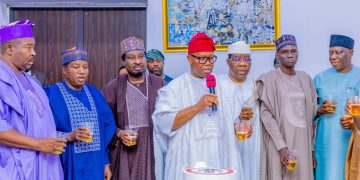
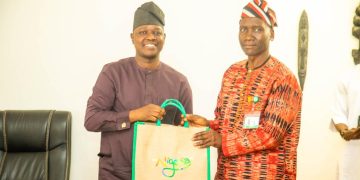
During the ceremony, AMSG Secretary-General Moses Michael Engadu presented the Charter, instrument of ratification, ceremonial gavel, and certificate confirming Nigeria’s election to lead the continental body. Dr. Alake pledged to strengthen regional cooperation and urged countries to remain resolute despite the challenges ahead.
Rejecting the Raw Export Model
U-RED expressed optimism that these developments reflect a growing realization: Africa can no longer remain a supplier of raw strategic minerals while other regions create the industries, technologies, and wealth built from them.
A Growing Continental Alliance
Martins disclosed that 18 countries have aligned with the AMSG initiative, including Nigeria, South Africa, the Democratic Republic of the Congo, Botswana, Zambia, Zimbabwe, Uganda, Tanzania, Kenya, Burundi, Somalia, Liberia, Sierra Leone, Guinea-Bissau, Malawi, Chad, South Sudan, and Mauritania.
A Shared Vision for Value
“Their shared vision is to ensure that Africa captures more value from its natural resources through local processing, industrialization, and regional cooperation,” he said. U-RED welcomed the vision, arguing that mineral wealth should improve the lives of African people.
Breaking With a Costly Past
“For decades, Africa and mining frontline communities have watched enormous wealth leave their lands, while we continue to struggle with poverty, environmental degradation, poor infrastructure, and unemployment,” Martins noted. “The continent cannot afford to repeat this history.”
Make Value Addition the Strategy
He said value addition must become the foundation of Africa’s mineral strategy. “Exporting raw lithium, cobalt, or copper should no longer be the goal. These resources should drive local industries that manufacture batteries, renewable energy components, and other value-added products.”
Industrialize Around Resources
Resource-Based Industrialization, according to U-RED, offers Africa the chance to create jobs, strengthen manufacturing, diversify economies, and reduce dependence on imported commodities.
Speak With One Voice
The group also called for greater unity in global negotiations. “Africa must approach the minerals market with a coordinated mining diplomacy similar to the collective influence achieved by OPEC,” Martins said.
Stronger Bargaining Power
“Speaking with one voice will place the continent in a stronger position to negotiate fair pricing, technology transfer, local processing investments, and mutually beneficial partnerships with the European Union, the United States, China, and other major economies,” he added.
People and Planet First
But economic progress, U-RED cautioned, must never come at the expense of communities or the environment. “Development should not mean polluted rivers, degraded farmlands, or displaced families. Communities must be recognized as partners in development, not as barriers.”
Transparency as Standard Practice
The group said meaningful participation, transparency, accountability, and environmental responsibility must guide every stage of mineral development. Decisions affecting land and livelihoods must include those who live there.
Civil Society’s Watchdog Role
“We call on Civil Society Organizations to serve as watchdogs, educators, and advocates,” Martins stated. Their task, he said, is to ensure governments honour commitments, companies respect environmental and social standards, and communities understand and defend their rights.
Learning From the Past
“As Africa enters a new era of critical mineral development, civil society must help ensure that the mistakes of exploitative extraction are not repeated,” he added.
Measure Success by Impact, Not Volumes
For U-RED, the AMSG Charter is an important opportunity, but its success will not be measured by investment figures or export volumes alone. “It will be measured by cleaner environments, stronger local economies, better jobs, improved livelihoods, and greater dignity for the people whose communities sustain Africa’s mining sector.”
The Wealth Above the Ground
“At U-RED, we believe the wealth beneath Africa’s soil should create opportunities above it,” Martins concluded. “It should build factories instead of dig-and-ship. It should create skilled jobs instead of exporting talent. It should strengthen communities instead of displacing them. Africa has the minerals. Africa has the people. Africa has the opportunity. Africa must have the courage to transform that opportunity into lasting development.”