




For 50 years, Abuja has been Nigeria’s capital. But in the last 31 days, residents say they have seen more concrete proof of government than in many years past. Roads opened. Bridges linked communities. Water ran in places it never did. At a grand “Thank You Dinner” this week, President Bola Tinubu put it simply: Abuja is changing for the better. And the man driving it, he said, is Nyesom Wike, Ekuson Nw’Ogbunka, Our Managing Editor in Abuja, the Federal Capital Territory (FCT) can report.
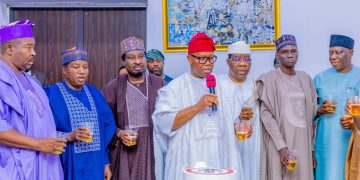
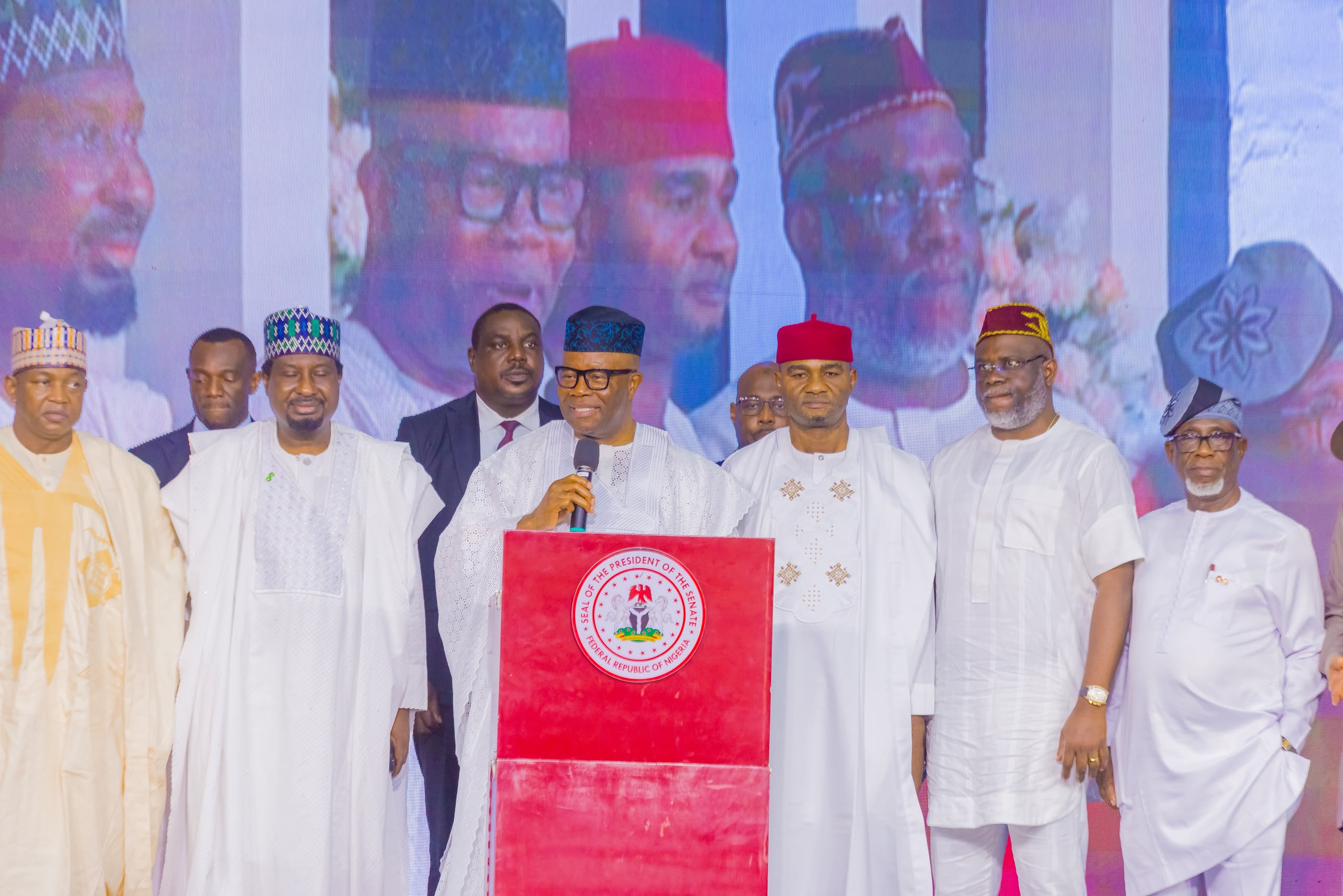
The dinner, hosted by the FCT Administration, was to mark the end of a month-long marathon of project commissionings and flag-offs across the city centre and satellite towns.
President Tinubu was represented by Senate President Godswill Obot Akpabio, who delivered the President’s message to a hall filled with dignitaries, contractors, and residents.
” I congratulate the Honourable Minister and his entire team for demonstrating that leadership is not measured by how loudly one announces plans, but by how clearly the people can see the results,” Tinubu said in the message.
It was a direct endorsement of Wike’s style, loud, fast, and focused on delivery.
“Of course, anyone who knows Minister Wike knows that he believes roads should move faster than rumours,” Tinubu added. “And that the surest way to answer critics is not with another press conference, but with another completed project.”
That philosophy was on full display. In 31 days, the FCT witnessed the inauguration and groundbreaking of critical roads, bridges, water works, public buildings, and public utilities.
For many Abuja residents, the impact is not abstract. “There is an old saying that while words may inspire, concrete convinces,” Tinubu noted. “Across the FCT, Nigerians are not merely hearing about development; they are driving on it. They are walking through it. They are living in it.”
Senate President Akpabio, speaking in his own capacity, called the 31-day exercise unprecedented.
“It is not common for any administration to commission such quantum of projects within such a short time,” he said. “This is transformation you can touch.”
Akpabio linked the physical work to the core purpose of governance. “As legislators, we often pass appropriation bills. But every appropriation carries with it a sacred expectation—that somewhere, somehow, the figures on paper will become structures that improve human lives.”
“Tonight, we have seen what happens when budgets become bridges, policies become pavements, and promises become projects,” he added to applause.
The Senate President assured that the National Assembly will continue to support the FCT Administration to sustain the momentum.
Wike, who hosted the event, has made infrastructure the centerpiece of his tenure as FCT Minister. From the city centre to the satellite towns, the focus has been on connecting people and reducing travel time.
The “Thank You Dinner” was both celebration and accounting — a moment for the administration to show residents what one month of focused work can deliver.
Fifty years after Abuja was created, the conversation is shifting. It is no longer just about the masterplan on paper. It is about the roads, water, and buildings now in use.
As Tinubu put it through Akpabio: governance should be measured not by announcements, but by results residents can see, drive on, and live in.
With the National Assembly’s backing and the current pace, Abuja’s next 50 years may look very different from the first.