










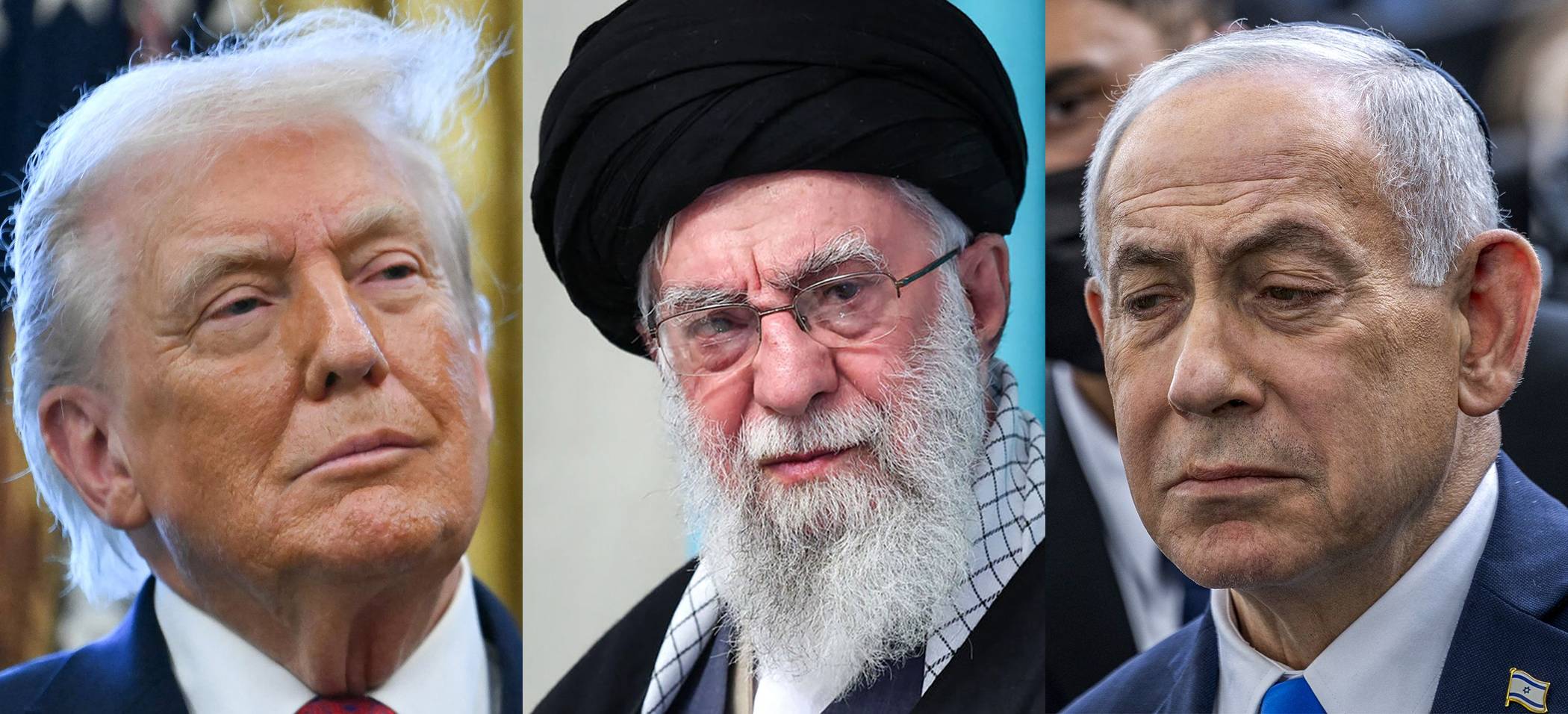
The confrontation involving Israel, the United States and Iran has escalated into a multi-country crisis, with missile exchanges, casualties, damaged infrastructure and disruption to critical shipping routes raising fears of a prolonged regional conflict and wider global economic consequences.
Iran launched retaliatory missile and drone attacks following strikes on its military infrastructure by U.S. and Israeli forces, with projectiles detected across several countries in the Gulf and the wider Middle East. Air defence systems were activated in Israel, the United Arab Emirates, Qatar, Bahrain and Kuwait as missiles crossed shared airspace, highlighting the expanding geographic scope of the conflict and growing risks to civilian populations and strategic assets.
Inside Iran, initial strikes targeted military command facilities and strategic installations. Iranian authorities reported casualties among security personnel and civilians, particularly in areas where military infrastructure is located near residential neighbourhoods.
Emergency services were deployed in Tehran and other major cities, while hospitals confirmed fatalities and dozens of injuries. Officials said the full extent of the damage and casualties was still being assessed.
Iran responded with missile salvos directed at Israel, triggering nationwide sirens and the rapid deployment of interception systems. Israeli emergency responders reported injuries and structural damage in urban centres including Tel Aviv and Haifa, largely caused by falling debris from intercepted missiles. Civilians were treated for blast-related injuries and trauma as security forces maintained high alert levels.
The conflict widened when Iranian-aligned groups in Iraq launched attacks on facilities hosting United States personnel. A strike on a regional military base resulted in the deaths of three U.S. service members and injuries to others, prompting retaliatory action by American forces. Iraqi authorities faced renewed internal security challenges amid intensified militia activity.
In the United Arab Emirates, missile interceptions over Abu Dhabi resulted in debris falling into populated areas, causing property damage and at least one reported fatality. Authorities increased security around critical infrastructure, including ports and energy facilities. Qatar confirmed intercepting missiles targeting the Al-Udeid Air Base, while Bahrain activated its air defence systems after detecting projectiles near key naval facilities. Kuwait also reported missile flyovers and a drone-related incident near its international airport that caused minor injuries and limited structural damage.
Cross-border hostilities also intensified along Israel’s northern frontier. In Lebanon, artillery exchanges between Israeli forces and Hezbollah displaced residents in southern communities, while northern Israel faced rocket alerts. Syria also witnessed increased Israeli air operations targeting Iranian-linked positions, further expanding the theatre of confrontation.
Maritime infrastructure and shipping operations across the region have been affected. Iran’s Bandar Abbas port experienced disruption following nearby strikes that damaged storage facilities and slowed cargo operations. In the United Arab Emirates, heightened security measures affected activity at major shipping hubs, including Jebel Ali port, while Israeli ports in Ashdod and Haifa operated under increased naval protection.
Shipping companies and insurers reassessed operational risks in the Gulf, leading to increased war-risk insurance premiums. Some oil tankers delayed transit through the Strait of Hormuz, a critical route for global energy supplies, contributing to volatility in international oil markets and raising concerns among both oil exporters and import-dependent economies.
Casualties and humanitarian impacts have been reported across multiple countries. In Iran, both military personnel and civilians were killed in targeted strikes. In Israel, injuries were recorded following missile interceptions. In Iraq, militia-linked violence and retaliatory operations resulted in additional deaths. In Lebanon, ongoing exchanges forced families to flee affected areas, while port workers and coastal communities across the region faced economic uncertainty due to disrupted maritime activity.
The expanding scope of the conflict has drawn in multiple countries through shared airspace, military alliances and economic interdependence. Gulf states hosting U.S. military installations activated defensive systems, while regional governments heightened security amid fears of further escalation.
Meanwhile, U.S. President Donald Trump said Iran’s leadership had indicated a willingness to resume talks aimed at easing tensions between Washington and Tehran. Speaking from his Florida residence, President Trump said Iranian officials had expressed interest in negotiations but criticised the timing, saying they should have engaged earlier.
He noted that recent developments within Iran’s leadership, including the formation of a temporary leadership council following the death of Supreme Leader Ayatollah Ali Khamenei, reflected the significant impact of the ongoing military confrontation. President Trump reiterated his position that diplomacy remains an option but emphasised that earlier engagement could have prevented the current escalation.
Diplomatic efforts to reduce tensions are ongoing, with regional and global leaders calling for restraint and dialogue. However, military operations have continued, and security forces across the region remain on high alert amid concerns that further attacks could deepen the crisis and threaten regional stability and global economic security.
Authorities in affected countries say emergency response efforts remain underway as governments assess damage, treat casualties and reinforce defensive measures. The situation remains fluid, with international observers closely monitoring developments amid fears of further escalation.
On Sunday, three US soldiers were reported killed in action and five more seriously wounded as part of Operation Epic Fury, the US military has confirmed, according to metro.co.uk.
It quoted US Central Command as saying that several other service personnel sustained minor shrapnel injuries and concussions.
It is not clear how the troops were killed, but Iran has furiously launched drones and missiles at US bases throughout the Middle East following the assassination of Ayatollah Ali Khamenei.
Donald Trump warned in his Saturday morning address that US troops might be killed during the unprecedented military action against Iran.
US CENTCOM said in a statement on X: “As of 9:30 am ET, March 1, three U.S. service members have been killed in action and five are seriously wounded as part of Operation Epic Fury.
“Several others sustained minor shrapnel injuries and concussions — and are in the process of being returned to duty. Major combat operations continue and our response effort is ongoing.”
The announcement comes after Iran unleashed a third wave of missile and drone attacks towards its neighbours in the Middle East.
Suicide drones hit Dubai and Bahrain (Sunday) afternoon, while nine people were killed in a missile strike in the city of Beit Shemesh, central Israel.
The US and Israel have also pounded Iran capital, Tehran, on Sunday, hitting a major hub for the Islamic Revolutionary Guard Corps (IRGC).
The Army hospital and several bases of the Basij militia were also hit, according to the official Fars news agency.