










By Ekuson Nw’Ogbunka
Abuja
When a City Works, Markets Feel It
A capital city is more than its skyline. It is measured in the roads that connect communities, the projects that change skylines, and the everyday realities of the people who keep the economy moving. In the Federal Capital Territory (FCT), that pulse is felt most in the markets, where traders stock shelves, negotiate prices, and serve millions of residents daily.
Development You Can See
In recent weeks, Abuja and its satellite towns have been in the spotlight for all the right reasons. From commissioned roads to flagged
Across the Federal Capital Territory (FCT), cranes, new roads, and commissioned projects tell one story: the FCT is getting a new face. For traders who power the city’s markets and keep goods flowing to millions, that change is hard to ignore. On behalf of the FCT chapter of the National Association of Nigeria Traders (NANT), Ifeanyi Okonkwo has come out strongly to commend FCT Minister Nyesom Wike for delivering visible results and to appeal for the same momentum to be extended to the people behind the counters.
Traders Applaud Visible Progress
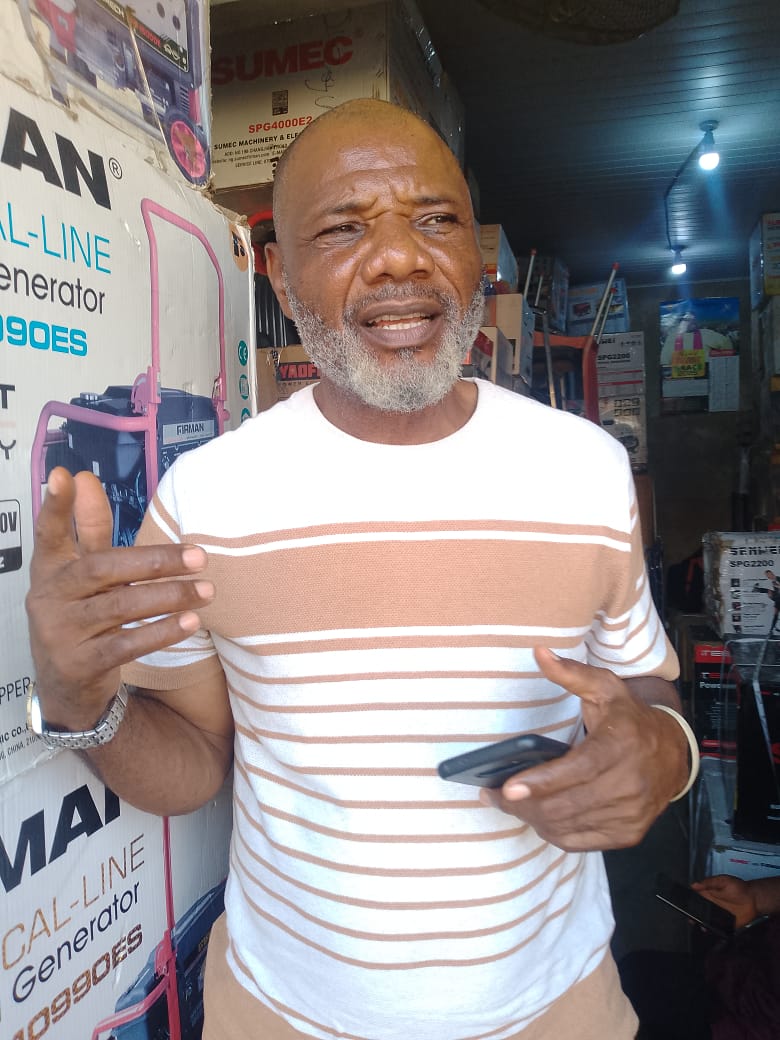
Speaking to journalists in his Abuja office, Okonkwo said the Minister’s performance has brought “positive change” to the nation’s capital. For weeks, he noted, President Bola Ahmed Tinubu has been commissioning completed projects, while construction of new ones is being flagged off across the FCT.
From City Centre to Satellite Towns
What stands out, according to Okonkwo, is the reach. “Having extended his good works to villages and satellite towns, there isn’t any difference between satellite towns, villages and the cities,” he said. That equity in development, he argued, is what has earned the Minister widespread praise among residents and business owners.
A Call for a Second Term
Still hailing the Minister, Okonkwo enjoined President Tinubu to retain Wike for a second term “to enable him continue his good work.” He urged other public office holders to emulate the FCT Minister’s pace and focus on delivery.
The Traders’ Reality: Shop Costs, High Prices
Yet for all the progress, Okonkwo said traders face a structural challenge. “The majority of shops in the FCT markets are owned by traders who in turn rent them out at unaffordable rates,” he explained. “Because the rate they pay for shops is directly or indirectly transferred to the price of goods,” consumers end up bearing the cost.
Remember the Traders, He Urged
Reiterating the need for intervention, he said the Minister should “remember traders as those who make goods and services available to the masses.” According to him, supporting market operators is key to making the FCT’s growth felt in everyday household budgets.
The Loan Burden
Another pressure point is finance. Okonkwo regretted that interest rates charged by commercial banks on loans are “unbearable” for most traders. Without affordable credit, he said, traders struggle to stock up, expand, or cushion rising costs.
Proposal: A Traders’ Bank
To address this, NANT FCT is appealing to government to establish a Traders’ Bank. The proposed institution would provide soft loans at little or no interest, giving market men and women access to capital without the burden of high repayments. “This will go a long way toward addressing the economy,” Okonkwo stated.
A Word to Traders Themselves
While seeking government support, Okonkwo also spoke to his members. He advised traders to “shun unimaginable profits” and instead “base their business on turnover.” A volume-driven model, he said, can keep prices stable and markets competitive.
Competition Through Performance
He concluded by urging the Minister to “keep the pace,” saying consistent delivery will not only give the nation’s capital its deserved outlook but also “encourage competition among public office holders” to raise standards nationwide.
A Plea for Public Support
Okonkwo also called on Nigerians to support the government in power so its policies can be fully implemented. For traders, he said, policy stability and infrastructure investment translate directly to better market conditions.
The Bottom Line
From new roads to renewed satellite towns, the FCT’s transformation is visible. For NANT FCT, the next phase must include the market community — through fairer shop rates, affordable finance, and a dedicated Traders’ Bank. If that happens, Okonkwo believes, the Minister’s legacy will be measured not just in concrete, but in the cost of goods on traders’ shelves.