







By Ekuson Nw’Ogbunka in Abuja
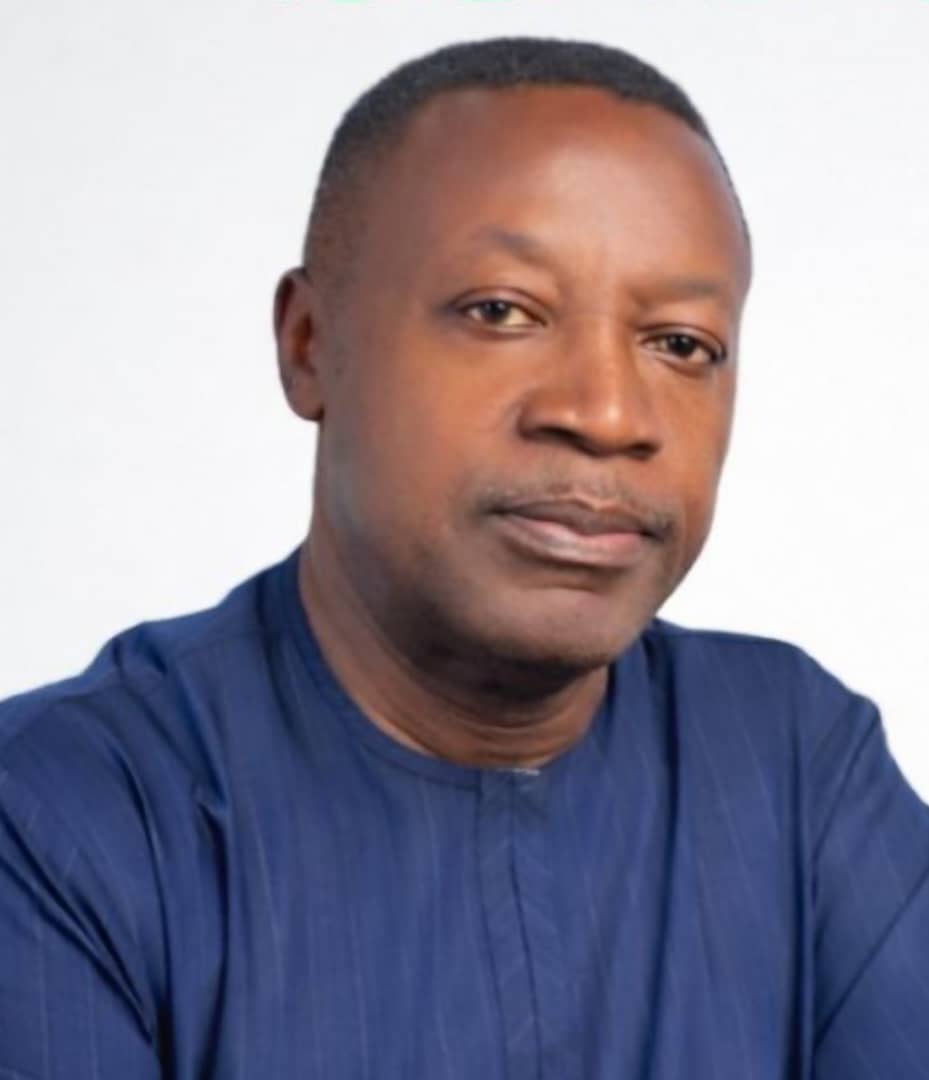
As debate intensifies over infrastructure spending in Anambra State, Hon. Frank Chike Okoli, one of the Nigeria Democratic Congress (NDC) for Orumba/North and South Federal Constituency of Anambra, has drawn a clear line between vanity and value. In a critical assessment of the state’s development choices, he argues that prestige projects cannot substitute for the basic systems that sustain life and livelihood. For Anambra, he insists, the immediate priorities must be health, mobility, and electricity, not another airport.
The central argument is about the difference between “prestige projects” and “priority projects.” One is built for headlines. The other is built for people.
A project may look good on a billboard and attract photo opportunities. But if it fails to address daily challenges, it amounts to unnecessary expenditure.
That is the core of the conversation Anambra must have now. Development must be measured not by what is commissioned, but by what is used.
What citizens are asking for is basic and direct. The trader in Onitsha Main Market is not asking for another airport. She is asking for a hospital where her child can get treatment without traveling out of state.
The student in Awka is not asking for another airport. He is asking for reliable transport that can take him to Nnewi, to Ekwulobia, to Onitsha without spending half the day on bad roads.
The manufacturer in Obosi is not asking for another airport. He is asking for nonstop electricity so his machines can run and his workers can earn wages.
The sick man in Aguata is not asking for another airport. He is asking for a medical center with doctors, drugs, and equipment that can save his life.
This exposes the irony of misplaced priorities. An airport is important and connectivity matters, but the question is: connectivity for who, and at what cost?
When hospitals lack basic equipment, when rail lines do not exist, when industries are shutting down for lack of power, a second airport becomes a luxury the state cannot afford.
The logic is sequential. You cannot fly a patient to safety if there is no hospital to stabilize him first. You cannot attract investors by air if they land to meet bad roads and no power to run their business. You cannot claim development when the fundamentals that sustain life and livelihood are missing.
The first priority identified is a world-class medical center. Health is wealth. People should not die or go bankrupt because they have to travel out of the state for treatment. A functional, well-equipped medical center will save lives and keep money in the state.
The second is rail lines to connect major cities. Anambra is a trading state. Onitsha, Nnewi, Awka, Ekwulobia are economic hubs. Connecting them by rail will reduce transport costs, ease movement of goods, and open the entire state for business.
The third is an industrial area with nonstop electricity. This is the engine of jobs. If young people have factories to work in and power to run them, crime will drop, poverty will drop, and internally generated revenue will rise. Power is not a luxury. It is the foundation of any serious economy.
Governance, ultimately, is about choices. Every government has limited resources and the test of leadership lies in allocation.
The choice presented is stark: projects that look good in pictures versus projects that feel good in homes. What will be commissioned versus what will be used every day. Vanity versus value.
Anambra people are described as enterprising. They do not need more symbols. They need systems that work.
The conclusion is not an opposition to development or to an airport in the future. It is an argument about sequencing and priority.
The proposed order is clear: First, keep people alive with good healthcare. Second, move people and goods with good rail. Third, empower people with jobs through steady power in an industrial area. When those are in place, then the conversation about a second airport can begin. Until then, the focus must be on building what the people need, not just what looks good on paper. Because governance is not about cutting ribbons. Governance is about changing lives.