




In Yobe North, a good road is more than asphalt. It is access to markets, to hospitals, to security, and to opportunity. So when the Road Transport Employers Association of Nigeria, RTEAN, Yobe State Chapter, named Senator Ahmad Ibrahim Lawan the Best Performing Senator and conferred on him a Leadership Award of Excellence, it was not just about politics. It was about mobility. It was about the buses that now move, the goods that now reach, and the communities that are now linked. The award, presented on Friday, tells a story of how infrastructure can become the bridge between representation and real impact, writes Ekuson Nw’Ogbunka Our Managing Editor over the weekend.
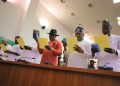
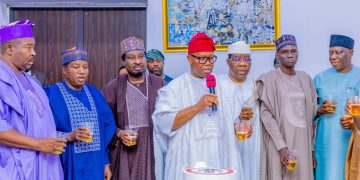
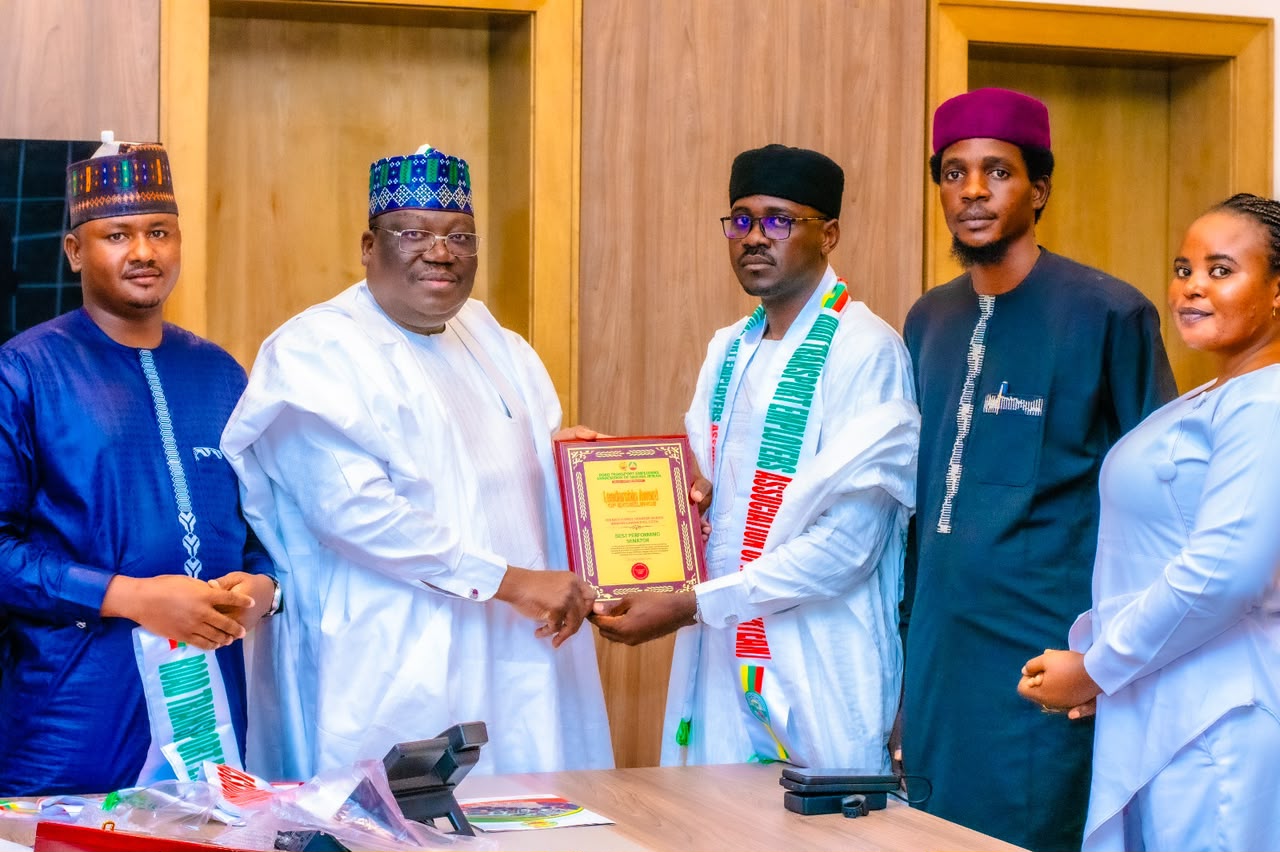
The ceremony was simple but symbolic. Senator Lawan, President of the 9th Senate, stood before transport union leaders, drivers, and party faithful to receive the recognition. The citation, according to a statement by his Media Adviser, Ezrel Tabiowo, highlighted his contributions to the transport sector and to constituency development.
But Lawan was quick to shift the spotlight. “I dedicate this honour to the good people of Yobe North, who have given me the mandate and the platform to serve,” he said. For him, the award belongs to the voters who turned out, the communities who demanded better, and the workers who keep the wheels turning.
That gesture set the tone for the day. It framed the award not as a personal trophy, but as a report card on service delivery in one of Nigeria’s most strategic border senatorial districts.
The RTEAN leadership, led by Yobe State Executive Chairman Hon. Isyaku Yusuf Gashu’a, said the decision was informed by Lawan’s consistent attention to road infrastructure. To transport operators, roads are not campaign talking points. They are daily survival.
Lawan understands that reality. “In Yobe North, we have prioritized the construction and rehabilitation of interstate and township roads because we understand that mobility is the lifeline of commerce and even physical security,” he told the gathering.
His argument is practical. Without motorable roads, farmers cannot evacuate produce. Students cannot get to school. Security agencies cannot respond quickly. And transporters, the very people honoring him, cannot earn a living.
“Without passable roads, the transport sector cannot thrive, and our economy cannot grow in the way we need it. In fact, impassable roads lead to compromised security within our towns and settlements and our inter-city and inter-state roads,” Lawan stated.
The impact is already being felt. Across Yobe North, road projects have opened up previously isolated communities, reduced travel time, and lowered the cost of moving goods and people.
Yet roads alone were not enough for the former Senate President. He pushed further into economic empowerment, particularly for those in the transport sector.
Under his constituency intervention, buses and other vehicles for commuter services were distributed to constituents and organizations. The goal, he explained, was to integrate transport workers into the formal economy.
It was also about dignity of labour. By providing assets that generate income, the initiative aimed to create sustainable livelihoods and ease movement across the state and neighboring states.
For RTEAN members, that support was direct. It meant more vehicles on the road, more jobs for drivers and conductors, and more revenue circulating in local markets.
Senator Lawan also used the occasion to acknowledge the role of the Federal Government. He praised President Bola Ahmed Tinubu for what he called unprecedented federal interventions in Yobe over the last eleven years.
“Recently, His Excellency, President Bola Ahmed Tinubu, approved over nine billion Naira to continue with rehabilitation work on the Gashua to Bayamari road. We thank you, Mr. President,” Lawan said. The road is a critical artery linking communities and boosting trade.
Addressing the RTEAN leadership directly, Lawan described them as the “engine room of the local economy.” He said their work keeps commerce alive and connects people across distances.
He closed by saying the award would not make him complacent. Instead, it would serve as a challenge to redouble efforts. In Yobe North, the message is clear: recognition has come, but the work of connecting people, one road and one bus at a time, must continue.