




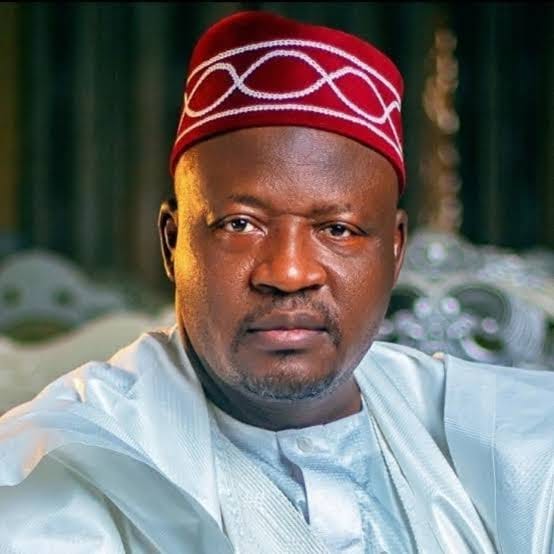
Our Managing Editor Ekuson Nw’Ogbunka writes that when a sitting United States Senator frames Nigeria’s security crisis as a single-faith problem, the impact is felt far beyond Washington. In a new statement, *Senator Suleiman A. Kawu Sumaila* warns that such rhetoric does not clarify Nigeria’s challenges, it distorts them. As debates around Nigeria’s “Country of Particular Concern” status resurface, the question is no longer just about policy labels. It is about who gets to define Nigeria’s reality, and at what cost to national unity.
The basis of Senator Kawu’s rebuttal is Senator Ted Cruz’s continued campaign to have Nigeria re-designated as a CPC country. The Kano South lawmaker described the posture as one that “undermines Nigeria’s sovereignty and misrepresents the complex security realities of our nation.”
Senator Kawu recalled that the administration of former U.S. President Donald Trump had delisted Nigeria from the CPC list. According to him, that decision was based on “verified progress and strategic diplomatic engagement” and should not be ignored in current assessments.
At the heart of Senator Kawu’s concern is the narrative driving the campaign. He accused the foreign commentary of oversimplifying Nigeria’s security crisis and portraying it primarily through a religious lens.
Senator Kawu argued that this framing is factually incomplete. Nigeria’s crisis affects Muslims, Christians, and adherents of other faiths alike. Terrorists, kidnappers and bandits attack churches, mosques, markets, schools and rural communities indiscriminately.
“Such an approach ignores the realities on the ground and risks deepening divisions rather than encouraging solutions,” Senator Kawu stated.* He said reducing a national crisis to one religion makes international policy responses less effective.
The domestic cost, Senator Kawu warned, could be severe.* Presenting the conflict as purely religious has the potential to inflame tensions, undermine ongoing peace efforts, and encourage external policies that do not reflect Nigeria’s actual circumstances.
Senator Kawu made a direct appeal to the Christian community in Nigeria and across the world. He urged them to “carefully evaluate the facts and reject narratives that promote division.”
In Senator Kawu’s view, genuine friendship with Nigeria is defined differently. It should be anchored on peace, reconciliation, sustainable development, interfaith cooperation, and respect for the country’s sovereignty.
“Any rhetoric that heightens religious polarization ultimately places all Nigerians at greater risk, regardless of faith,” Senator Kawu said. The warning reflects concern that foreign commentary can have local consequences.
Senator Kawu highlighted the role and sacrifice of Nigeria’s security forces. He noted that the forces comprise both Christians and Muslims who serve together in the fight against insurgents, terrorists, kidnappers and bandits.
“Overlooking these shared sacrifices in favour of a divisive political narrative does a disservice to every Nigerian who has suffered from insecurity,” Senator Kawu emphasized. The point was to correct the record on who bears the burden of insecurity.
Beyond the security argument, Senator Kawu framed the issue as one of sovereignty. He stated that “Nigeria remains a sovereign nation whose strength lies in the unity and resilience of its diverse people.”
Senator Kawu rejected what he called attempts by foreign political actors to exploit Nigeria’s internal challenges for ideological or political purposes. He said such interventions do not help the country’s stability.
The Kano South Senator extended his call beyond Washington. Senator Kawu urged the international community, diplomatic partners, and media organisations to reject divisive rhetoric.
Senator Kawu also called on all well-meaning Nigerians regardless of religion or ethnicity to support genuine efforts aimed at promoting peace, national unity, security, and sustainable development. The appeal was for internal cohesion amid external commentary.
Senator Suleiman Kawu’s statement positions the debate as more than a policy dispute. It is a contest over narrative. Reducing Nigeria’s multifaceted security crisis to religious terms may serve political goals abroad, but at home, Senator Kawu argues, it threatens the fragile work of coexistence and nation-building.