










Nigeria is a young country. Over 60% of our population is under 35. We are a nation of students, startups, creatives, farmers, and first-time voters. Yet when you walk into the rooms where the future is decided, the Senate chamber, Federal House of Representatives Chamber, State Houses of Assembly, and LGA secretariats, the faces looking back at you are rarely young.
That contradiction should worry all of us. How do we build the future when the people of the future are sitting outside the room? If we are serious about democracy, then we must be serious about youth engagement in governance. That is the only way to strengthen the future of our democracy.
First, consider demography. The majority of voters, workers, taxpayers, and innovators in Nigeria today are young. Any policy on jobs, education, health, or technology that is made without young people at the table is bound to fail, because it will not reflect the realities of those it is meant to serve.
Second, we need new ideas. The problems of 2027 will not be solved with 1999 thinking. Young Nigerians are already solving problems with data, digital tools, and creativity. From fintech to agritech, from content creation to civic tech, the solutions exist. What is missing is the bridge to bring that thinking into government.
Third, there is the question of stability. An idle youth is a ready recruit for political thugs, internet fraud, and extremism. An engaged youth is a partner in nation-building. When young people have a stake in the system, they protect it. When they don’t, they look for alternatives.
Fourth is continuity. Democracy is not a four-year event. It is a relay. If we do not deliberately groom young leaders today, we will have a leadership vacuum tomorrow. We cannot wait until election season to start talking about succession.
So why have we excluded the youths for so long? The first reason is money politics. Running for office now costs millions. That means only godfathers and money bags can sponsor candidates. The average graduate with capacity and integrity cannot even buy a nomination form.
Then there is the “You Are Too Young” syndrome. We use age to block competence. We confuse experience with wisdom and forget that leadership is about capacity, character, and vision. Many of the world’s most effective leaders assumed office in their 30s.
We also practice tokenism. Youths are handed titles like Special Adviser on Social Media or “Youth Leader” without budget, power, or portfolio. That is not inclusion. That is public relations. Real inclusion means real responsibility.
The result is voter apathy. Many young people no longer vote because they believe “all politicians are the same.” That is not apathy. That is a verdict. It is the direct consequence of a system that excludes them and then asks for their mandate.
The crippling effect of this exclusion is already visible. Policies on education and jobs are designed without input from those who will live with them. Technology and innovation are treated as buzzwords instead of tools of governance. Frustration boils over into protests, mass migration — “Japa” — and in some cases, crime.
A democracy that ignores 60% of its population is a democracy on borrowed time. We cannot claim to be representative when we leave out the majority.
The way forward must be real engagement, not slogans. First, we must lower barriers to entry. Enforce the Not-Too-Young-To-Run Law fully. Reduce nomination form fees. Political parties should deliberately support youth candidates with clean records, not just those with the deepest pockets.
Second, elect and appoint youths to positions with real portfolios. Give young commissioners, local government chairmen, and advisers ministries that matter: Agriculture, Technology, Education, Sports, and the Economy. Not just a “Youth Ministry” on the side.
Third, institutionalize youth participation in policy. Every state and LGA should have a Youth Development Council with a budget and a mandate. Let young people co-design policies on skills, startups, security, and climate. And fourth, invest in civic education and mentorship. Parties must run leadership schools. Older leaders must mentor, not suppress. Governance should be taught, not inherited.
In conclusion, a democracy without youths is a democracy without a future. The youths are not the leaders of tomorrow. They are the leaders of today. They are building companies, creating content, farming, and organizing communities right now.
2027 should not be about giving youths “hope.” It should be about giving them office, responsibility, and power.
When we engage our youths in governance, we don’t just strengthen democracy. We secure peace. We create jobs. We build a Nigeria that works for everyone. The future of our democracy is young. Let us stop talking about it. Let us bring it into the chamber.
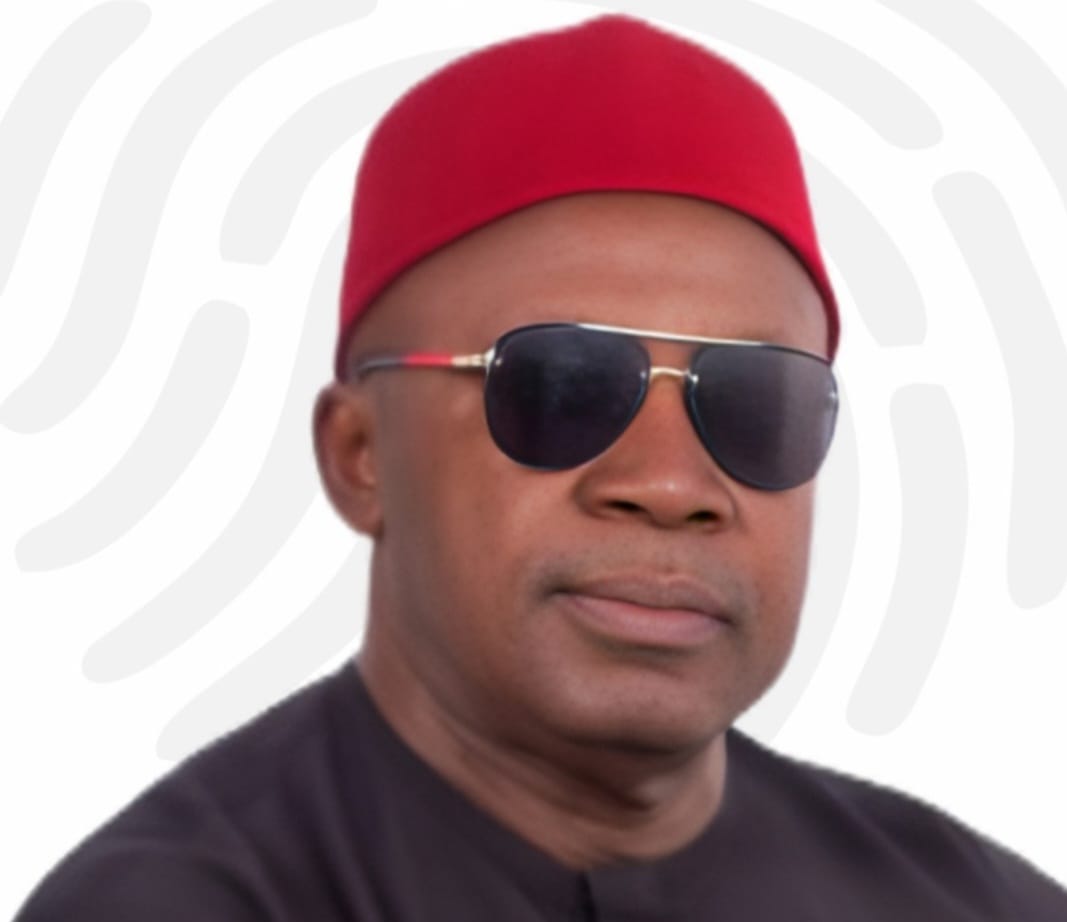
Hon. Frank Chike Okoli, the Convener, Hope Alive, Nigeria writes from Abuja.