

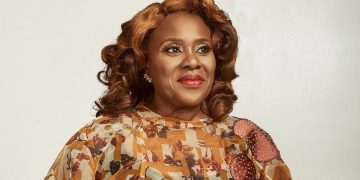



Nkechi Eze is a Nigerian-born healthcare professional living in the United States, a wife and a mother. The second daughter of Amobi Nzelu, she says her Nigerian heritage remains an important part of her identity even after many years abroad. She still has family in Nigeria and what happens there matters deeply to her. In this exclusive telephone interview, with Ekuson Nw’Ogbunka recently, she speaks from her experience of living and raising children in the US, her perspective as a healthcare professional, and her concerns as a Nigerian who wants her country to succeed. Excerpts.
Why have you not been coming back to Nigeria for some years now?
The main reason is insecurity. I want to visit Nigeria and reconnect with family, but I also have a responsibility to consider my safety and that of my children. Reports of kidnapping, violent attacks and unsafe journeys make what should be an exciting homecoming a difficult decision.
There are practical considerations as well. Our work commitments and the children’s school schedules have to align, and an international family trip requires considerable preparation. However, scheduling is something we can organise. The harder question is whether we can travel, move around and return safely. My absence should not be mistaken for a lack of love for Nigeria. It reflects the weight of that responsibility.
Is insecurity the main reason or are there other reasons?
Yes, insecurity is the main reason, although planning, cost and our different schedules in the United States also matter. All my children were born in the US. Taking them to Nigeria means preparing them for a different environment, different infrastructure and a different healthcare system. I have to think about accommodation, transport, access to medical care and what we would do in an emergency.
I want them to experience their heritage with curiosity and joy. That requires preparation for their comfort as well as their safety. These are normal parental concerns, but insecurity makes them much more demanding. A family visit should not require parents to feel that they are making a high-risk decision simply to introduce their children to their roots.
How do reports of kidnapping, banditry and the killing of health workers make you feel in the US?
They leave me frightened, saddened and deeply concerned for people who cannot simply leave the affected communities. Being abroad does not remove that concern, especially when your relatives still live in Nigeria. Every report makes you think about families waiting for someone to return home.
As a healthcare professional, attacks on health workers are particularly painful. Someone who leaves home to care for the sick should not have to fear being kidnapped or killed while doing that work. When a health worker is attacked, patients also lose access to skills they may urgently need. A community can lose a nurse, a doctor or a functioning service at the very time it needs help most. That is why I see the protection of health workers as essential to the protection of everyone.
What would need to change for you to feel safe enough to book a flight to Nigeria?
I would need to see sustained improvements in everyday safety: safer roads, fewer kidnappings, dependable emergency response and credible investigations when crimes occur. I would also want reliable information about the particular places we intend to visit. Conditions differ across Nigeria, so a general assurance that everything is fine would not be enough.
What would reassure me most is hearing consistently from people living in the places we intend to visit that they can travel, work and seek help without constant fear. I would want to know that we have safe transport, suitable accommodation and somewhere dependable to go if a medical emergency arises. Families need improvements they can experience in their daily lives before they can feel confident about the assurances they hear.
Do you plan to visit Nigeria in 2026 or 2027?
I do not have a confirmed date for either year. We hope to visit soon, but I would not want to announce a timeline before our family arrangements and safety preparations are complete.
It is important to me that our children know their parents’ place of birth, meet their relatives and understand the culture behind their names and family history. Those connections cannot be fully communicated through photographs and telephone calls. The desire to visit is there. The timing will depend on our schedules, the circumstances at the time and the arrangements we can make for a safe and comfortable trip.
From the US how do you view banditry, kidnapping and farmer–herder clashes in Nigeria?
I see a serious failure to protect ordinary people’s ability to live and work safely. These problems have different causes and should not be treated as though one explanation or one security operation can resolve them all. Kidnapping networks, insurgency and disputes that escalate into communal violence require responses suited to their circumstances.
For families, the consequences overlap: people become afraid to travel, farmers struggle to reach their land, businesses face disruption and communities lose trust. When families are displaced, their access to food, healthcare and education can also suffer. I do not believe an entire ethnic or occupational group should be blamed for the actions of individuals. The authorities should identify those responsible and hold them accountable while protecting innocent people in every community.
How does insecurity in Nigeria affect healthcare delivery?
Insecurity can delay care at every stage. A patient may be afraid to travel at night, a health worker may be unable to reach a facility, or an ambulance may face an unsafe route. In affected areas, facilities may reduce services, lose staff or struggle to receive supplies. That is especially dangerous when a person needs urgent obstetric care, treatment for an injury or a referral to a better-equipped hospital. I would not say that every Nigerian facility closes at night; the impact differs by location.
Affordability compounds these problems. Nigeria also recognises patients’ right to timely emergency treatment, but that right must be made dependable in practice. In the US, covered hospital emergency departments must provide screening and necessary stabilising treatment regardless of ability to pay. That protection does not make all US healthcare free. My point is that an urgent medical need should be addressed before financial discussions become a dangerous delay.
What is the difference between security for citizens in Nigeria and the US?
In my everyday experience, I feel more able to organise my life in the US without constantly planning around the fear of kidnapping or an unsafe road journey. I generally have greater confidence that I can call for help and that an incident can enter a formal process of investigation.
That does not mean America is crime-free, that every neighbourhood is safe or that every offender is caught. My comparison is about confidence in public institutions and the practical freedom that confidence provides. Nigerians deserve to go to work, visit relatives and seek medical care without having to arrange extraordinary private protection.
What should Nigeria learn from how the US protects its citizens?
Nigeria should learn the importance of taking a citizen’s distress seriously and maintaining institutions that people know how to contact. A missing person, an attack or a threat should receive a professional response regardless of the person’s wealth, connections or political importance.
For citizens abroad, the US provides defined forms of consular assistance. However, it cannot guarantee a rescue, override another country’s laws or pay every citizen’s legal or medical expenses. Assistance may also be limited when a dual national is in their other country of nationality. The lesson is therefore dependable, clearly explained responsibility. Nigerians at home and abroad should understand what help their government can provide, how to request it and how officials will follow up.
What is your advice to the Nigerian government on tackling insecurity?
My advice is to measure success by what happens to citizens after security announcements are made. Can a farmer return to the farm? Can a nurse complete a night shift safely? Can a family report a kidnapping and receive timely, professional help?
Government should strengthen intelligence gathering, cooperation between agencies and properly supported local policing. Officers need training, equipment, reliable pay and oversight. Communities need safe ways to share information without exposing themselves to retaliation. Investigations should follow criminal financing and the people who organise violence, while courts must be able to process cases fairly and promptly. Prevention also requires education, employment opportunities and fair management of local disputes. Those measures take time, but they should accompany immediate protection. Security operations must respect human rights so that public trust grows rather than deteriorates.
Have you observed elections in America and how do they work?
Yes. I have observed elections and participated as a voter. My personal experience has been straightforward and private. I check in at the voting location, follow the required identification and voting procedures, and make my choices without someone directing me. In my own experience, voting has usually taken less than 30 minutes, although waiting times vary elsewhere.
The process differs across states and local communities, so my experience is not the only way Americans vote. Voting can involve paper ballots, electronic equipment or a combination, and paper records are widely used for verification. Election work includes human checks, ballot reconciliation and audits. The reassuring feature for me is the ability to vote privately within an organised process whose results can be checked.
How would you describe Nigeria’s electoral process compared with what you see in the US?
My experience of voting in the US has given me a stronger expectation of privacy, orderly procedures and a result that can be traced back to recorded votes. My concern about Nigeria is the persistent gap between public expectations and confidence in how elections are administered and results explained.
There are hardworking Nigerian election officials and citizens who make enormous sacrifices to participate. Their efforts deserve recognition. What worries me is how delays, poor communication and problems with access to results can weaken public confidence. Technology can help, but people need to understand how it works and how the results can be verified. I would judge either country’s system by how it prevents problems, explains errors and addresses complaints fairly.
Do you agree that Nigerian elections are often marred by violence, vote-buying and rigging?
Yes, I share those concerns. Reports of violence, vote-buying and intimidation are deeply troubling, particularly when they discourage people from participating or leave them afraid to express their choice. People should not have to risk their safety to exercise their right to vote. Every credible allegation of manipulation deserves a proper investigation and a clear explanation to the public.
However, I would distinguish documented incidents from allegations about a particular contest. I cannot personally establish that every election was rigged or that every declared winner was selected in advance. Each allegation should be tested against evidence. My position is that institutions must make that evidence accessible and investigate credible complaints. Asking the public to accept a result without an adequate explanation of discrepancies is a poor way to build confidence.
Can credible elections reduce insecurity and brain drain?
Yes, credible elections can help because they give citizens a meaningful way to reward good leadership and remove governments that fail them. When leaders know that poor security, unpaid salaries or deteriorating hospitals can cost them office, there is a stronger incentive to address those failures.
However, elections alone cannot repair a healthcare system or end kidnapping. Credibility must be followed by effective government, sound public spending and consistent enforcement of the law. Professionals also consider pay, career development, working conditions and family stability when deciding where to live. A trusted election can improve confidence in the country’s direction, but retaining talent requires people to see that confidence translated into everyday improvements.
What three lessons should Nigeria learn from the US electoral system?
First, protect the voter’s freedom to choose. People should be able to enter a polling place, vote privately and leave without intimidation or pressure.
Second, make the result verifiable. Test equipment before use, preserve records, document the movement of election materials and provide meaningful checks after voting. Electronic equipment is useful only when the process around it is trustworthy.
Third, provide clear procedures and enforce them consistently. Officials should be trained, voters should know what to expect and complaints should receive timely attention. Nigeria should adapt these principles to its own constitutional structure and practical conditions. Importing machines without strengthening the institutions that use them would leave the most important problems unresolved.
Should Nigerians in the diaspora be allowed to vote?
Yes, I support a carefully designed system that allows eligible Nigerian citizens abroad to participate. Living outside Nigeria does not automatically end a person’s ties to the country or concern for relatives who live there. However, eligibility, registration, constituency allocation and verification would need clear legal rules and credible administration.
I have been a US citizen for about 15 years and I exercise my right to vote. Voting is voluntary in the US, but I regard it as an important civic responsibility and choose to participate. My support for diaspora voting in Nigeria rests on the same belief that citizenship should offer a meaningful voice, supported by safeguards that protect the integrity of every ballot.
Apart from insecurity what other issues discourage you from coming back?
For a visit, the concerns include unreliable electricity, transport arrangements and confidence about where to obtain care if someone becomes ill. For a permanent return, the considerations are broader: predictable income, professional opportunities, education for the children and the reliability of essential services.
Corruption also creates uncertainty when a process that should be straightforward depends on personal connections or unofficial payments. I recognise that many Nigerians work hard to deliver good services despite these conditions, and experiences differ across the country. My concern is the extra burden families carry when they must privately arrange things they should be able to expect from functioning public systems. Addressing those problems would make returning more practical for many people abroad.
How do you support family in Nigeria without being physically present?
I communicate with my family regularly and do what I can as a daughter and sister. That includes staying informed about their wellbeing, listening, offering encouragement and helping with needs and decisions when I am able. Some family responsibilities are private, so I would not reduce those relationships to a public account of financial assistance.
Distance changes how you provide support, but it does not remove the responsibility or affection. At the same time, a telephone call cannot replace being physically present for every important moment. That is one reason I want my children to know their relatives personally and why a safe visit means so much to me.
What will make you say that you can now come back?
For a visit, I need a realistic plan that gives me reasonable confidence about our safety, movement and access to care. I do intend to visit, even though I recognise that no destination offers zero risk. A permanent return would require a separate decision about work, the children’s needs and our long-term stability.
At present, insecurity means I would approach the trip with more anxiety than I would like. I know of people who travelled from the US to Nigeria and did not return alive, although individual deaths have different causes and should not all be attributed to crime. Some Nigerians abroad also make arrangements to be buried where they live. For me, those choices show how deeply concerns about home, safety and belonging can affect families.
What does the US do right that Nigeria is failing to do?
What I value is greater predictability in many everyday systems. When a service fails, there are usually defined routes for making a complaint or challenging a bill. Those routes do not always work perfectly, but the expectation that a provider should explain and correct a failure matters. Nigerians should also be able to expect dependable electricity, water and public services, with fair billing and effective remedies.
Healthcare is another example. I value the emergency screening and stabilisation protections in the US, while recognising the serious difficulties people face with insurance, medical bills and access to routine care. Nigeria also recognises emergency treatment as a patient right. The challenge is making that protection reliable at the bedside.
I still miss family life, familiar fresh foods, cultural celebrations and the support that extended families can provide in Nigeria. I also value the emphasis many families place on courtesy and respect for elders. Those values can be taught through consistent, nonviolent discipline and by adults showing children respect. Domestic help, wherever it is employed, should be fairly paid and treated with dignity. There is much worth preserving in Nigerian family life while improving public institutions.
What has America taught you about rule of law, accountability and respect for citizens?
It has strengthened my belief that rights need practical routes for enforcement. A person should know where to report wrongdoing, how to challenge an official decision and what process follows a complaint. Respect for citizens becomes meaningful when institutions explain their actions and accept scrutiny.
America does not apply these principles perfectly, and people can still face discrimination, unequal resources and barriers to justice. Nevertheless, living here has made me more conscious of the importance of keeping records, understanding procedures and expecting an explanation. I want Nigerians to have that same confidence. A citizen should be able to ask a reasonable question of a public institution without being treated as troublesome or required to find an influential person to intervene.
Can Nigeria’s electoral process ever be like America’s and what is missing?
Yes, Nigeria can build an electoral process that earns much greater public confidence. It does not have to reproduce every feature of the American system. Nigeria needs procedures suited to its own population, laws, infrastructure and geography.
What matters is institutional independence, competent administration and consequences for misconduct. Voters need timely information; officials need training and resources; parties and observers need legitimate access to scrutinise the process. Results should be explainable through accessible records. Technical failures should trigger established contingency procedures rather than uncertainty. Nigeria has knowledgeable professionals and committed citizens. The question is whether the political and institutional environment allows them to do the work consistently, including when transparency is inconvenient for powerful interests.
What would you tell Nigerian leaders who travel to the US for medical treatment?
I would ask them to study what makes the care they receive possible and use that knowledge to improve services at home. The quality of a hospital depends on staffing, functioning equipment, dependable power, infection prevention, maintenance and coordinated referrals. A beautiful building without those foundations will not produce dependable care.
Leaders should set measurable goals for improving facilities that ordinary people use and publish progress against those goals. Nigerian health professionals already have considerable expertise, so they should be involved in designing and evaluating improvements. Overseas treatment should not become an escape from responsibility for domestic healthcare. A leader who values access to excellent care should understand why the same concern matters to the people they govern.
Do you feel safer as a woman in the US than you felt in Nigeria?
Yes, in my personal experience I feel a stronger sense of autonomy and greater confidence in my ability to speak, work and make decisions. That matters to me as a woman and as a mother raising children.
Coming from an Igbo background, I value our culture, but I also question expectations that place a woman’s voice or ambitions below a man’s. Families and communities differ, so I would not describe every Igbo household in the same way, nor would I suggest that abuse or discrimination disappears in America. My point is that women should be recognised as full adults whose dignity does not depend on being agreeable or silent. I want that freedom and protection for women in Nigeria too.
How do the US electoral and security systems protect women better?
The principle I value is that a woman has her own political voice. Her vote should be private, and her choice should not require permission from a husband, relative or community leader. US constitutional protections prohibit denying voting rights on the basis of sex, while federal law also prohibits voter intimidation. Those protections matter when they are enforced.
In matters of safety, women also need practical access to reporting, legal advice and support when they face violence or threats. No country serves every woman equally well. The standard I would apply to either country is whether a woman can seek help without being shamed, dismissed or pressured to endure harm because of her gender or marital status.
Why are many Nigerian female professionals reluctant to return home?
I cannot speak for every woman, but the considerations are understandable. They can include insecurity, professional opportunities, reliable pay, the children’s education and the ability to live independently. Once a woman has established a career and family routine in a relatively predictable environment, returning involves substantial practical decisions.
For some women, there may also be concern about social expectations that limit their choices or discourage them from speaking openly. These concerns do not mean they have rejected Nigeria. Many remain closely involved with family and contribute in different ways. If Nigeria wants more professionals to return, it should make their safety, work and personal dignity dependable enough that coming home feels like a viable choice.
What should Nigeria learn from the US about protecting women?
Women should be treated as people with equal dignity, independent judgment and a right to develop their abilities. A woman should be able to pursue education, earn an income, own property and express an opinion without being portrayed as disobedient simply because she is confident.
Protection must also be practical. Complaints of violence and harassment should receive professional attention, and women should have access to support and fair legal processes. Families, religious institutions and community leaders have a role in challenging attitudes that excuse harm. I do not believe Nigeria needs to abandon its culture to respect women. We can preserve what is valuable in our traditions while changing practices that deny women safety or opportunity.
Do you vote in US elections and how easy is it?
Yes, I do. In my experience, it has been one of the easiest and most orderly voting processes I have participated in. I complete the required check-in, cast my ballot privately and leave. I have generally spent less than 30 minutes when I go to vote.
That is my personal experience, rather than a claim that every American voter has the same experience. Rules, equipment and waiting times vary by location. What I appreciate is being able to make my choice without someone standing beside me to influence it. The process should give every eligible voter that sense of privacy and control.
What is your reaction to the absence of voting from abroad for Nigerians in the US?
I would welcome a credible legal framework for diaspora voting, but I also think the immediate question is whether the votes of people already participating in Nigeria are fully protected. Citizens who travel to polling units, wait in difficult conditions and sometimes face intimidation deserve confidence that their choices count.
This issue requires changes to the legal and administrative framework; it is not simply a matter of INEC deciding to open overseas polling locations. Current voter guidance centres participation on registration and voting within Nigeria. As someone who can vote in the country where I live, I recognise that opportunity. I still care about Nigeria’s democratic future. Expanding participation should go together with protecting the integrity of the votes already being cast.
If diaspora voting were allowed would you participate?
I would be willing to participate in a lawful and credible system. My first question would be how my identity would be verified, how my ballot would be protected and how the final result could be checked. Voting should offer a meaningful opportunity to influence government.
I understand why some Nigerians believe results are settled before polling day, especially when the process is opaque. I would still want each allegation examined on its evidence. My criticism is that institutions have not done enough to overcome such distrust. A transparent system should allow citizens to test the result against evidence instead of asking them to accept assurances alone.
Would diaspora voting improve Nigeria’s electoral process?
It could broaden participation and bring more citizens into discussions about public policy. Nigerians abroad have different experiences of government and public services that can contribute to those discussions. However, living overseas does not automatically make a person more informed or more responsible than someone living in Nigeria.
Diaspora voting would also create administrative responsibilities. The system would need clear eligibility rules, secure registration, protection against duplicate voting and transparent counting. It could improve inclusion if designed and implemented well. It would not, by itself, cure intimidation, weak accountability or manipulation elsewhere in the electoral process. Nigerians at home and abroad should have equal respect for their citizenship, with safeguards appropriate to how they vote.
What electoral reforms should Nigeria adopt before the 2027 elections?
I would prioritise practical measures that make existing rules credible: publish clear procedures early, train officials thoroughly and test equipment under realistic conditions. Results should be supported by preserved polling-unit records that can be compared with published figures. When transmission fails, the failure and the steps taken to resolve it should be documented and open to scrutiny.
Nigeria also needs clear rules for transmitting and publishing results, with safeguards for any situation in which equipment or communication networks fail. Those safeguards should preserve the original records and allow discrepancies to be checked.
Government should protect voters and election workers, investigate intimidation and vote-buying, and ensure that complaints receive timely attention. Whatever changes are made before 2027 should be explained early enough for voters, officials and political parties to understand them.
How does the US health system handle emergencies compared with Nigeria?
A major US safeguard is that hospital emergency departments covered by EMTALA must offer an appropriate medical screening examination and, when an emergency medical condition exists, stabilising treatment or an appropriate transfer. These duties apply regardless of the patient’s ability to pay. Bills may follow, and the law does not guarantee free routine care or eliminate problems with access.
Nigeria also recognises the right to emergency treatment. What matters is whether a patient can rely on that protection when it is needed. A person should be able to reach a functioning facility and receive prompt attention, with the staff, supplies and referral arrangements required for appropriate care.
My concern is the time lost when an emergency becomes a search for money, transport or a hospital that can provide care. Improving emergency response requires investment across that entire journey, rather than focusing only on the moment the patient reaches the hospital.
What practical things should Nigeria learn from the US?
I would start with dependable emergency response and referral systems. People need to know how to request help, where a patient should be taken and how a facility can arrange a transfer. Hospitals need reliable power, essential supplies, appropriate staffing and routine equipment maintenance.
Beyond healthcare, public institutions should publish clear service standards and complaint procedures. Workers should be paid as agreed, public spending should be traceable and providers should explain billing disputes. Election administration should preserve records that allow results to be checked. These are practical habits of accountable government. Nigeria can adapt them to local conditions while drawing on the expertise of Nigerians already doing good work within the country.
What is the main reason you have not been coming back?
Insecurity. The thought of returning home should bring excitement, but concerns about kidnapping, unsafe journeys and emergency help make me anxious about taking my family. I want our children to know Nigeria, and I want to be able to make that visit with reasonable confidence that we will be safe.
What about Nigeria’s elections shocks you when viewed from the US?
What troubles me most is the distance between the effort citizens put into voting and the confidence they have in the announced outcome. When people see delays, unexplained discrepancies or problems with access to results, suspicion grows.
Television coverage or social media impressions cannot establish the national winner; that requires verified votes from across the relevant constituencies. My demand is that published results should be supported by accessible evidence and that discrepancies should receive convincing explanations. No citizen should be expected to treat uncertainty as proof that everything went well.
What is the one thing Nigeria must urgently learn from the US?
Honesty and transparency in public service. Officials should explain decisions, publish information people can check and accept scrutiny. That is the standard I value in a functioning institution, even though the United States also falls short of it at times. Nigerians deserve leaders who treat accountability as part of their job.
Will you come back if Nigeria fixes insecurity and elections?
Yes. Greater security and credible elections would make me much more confident about visiting regularly with my family. A permanent relocation would still require decisions about work and the children’s needs, but I would welcome a Nigeria in which coming home feels reassuring and full of possibility.