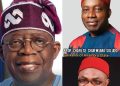

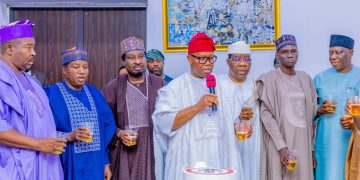



On June 12, 2026, Nigeria marked 33 years since the annulled June 12, 1993 election and 27 years of uninterrupted civilian rule since 1999. As flags went up across the country, the nation’s most influential voices took to podiums, airwaves and press statements to take stock of the democratic journey. From President Bola Ahmed Tinubu’s resilience-themed national broadcast and his call for youths to “build here, code here, vote here,” to Prof. Chijioke Ikokwu’s moral charge for “righteousness” and a renamed INEC HQ, the Ooni of Ife’s plea for unity amid insecurity, and 2027 hopefuls demanding tangible dividends beyond elections, the speeches revealed a nation at a crossroads. In this feature, we take a peep into the key messages, recurring themes, and telling contrasts in Democracy Day 2026 addresses by Tinubu and other prominent Nigerians — and what they signal for the country’s next chapter.
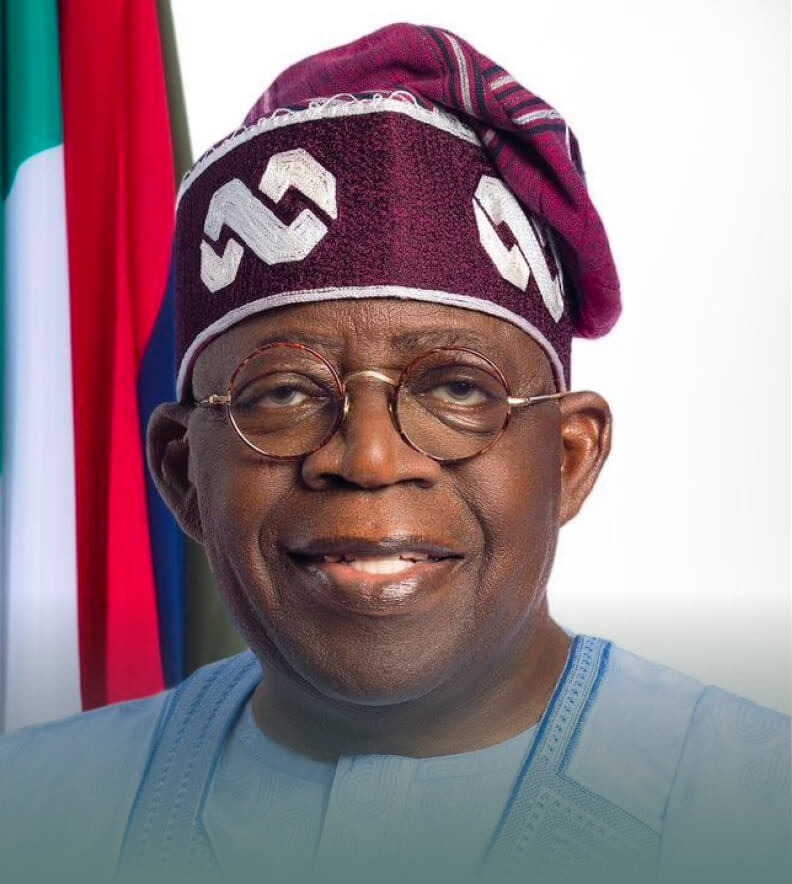
President Bola Ahmed Tinubu’s official national broadcast set the tone, celebrating “27 unbroken years” of democracy. “For 27 unbroken years, since May 29, 1999, Nigerians have chosen their leaders through the ballot… Our democracy is not perfect, but it is ours,” he said.
The President directly addressed youth emigration. “To our young people: Nigeria is your home and your future. Build here, code here, work here, and vote here. Every great nation was built by those who stayed to solve problems,” he urged, pushing back against the “japa” narrative.
On security, Tinubu claimed operational gains. “Over 13,000 terrorists neutralised in the past year; 124,000+ fighters surrendered since 2023,” he stated, presenting the figures as evidence that insurgency and banditry are being degraded.
In a symbolic move, Tinubu announced national awards for June 12 heroes, journalists, activists, and “soldier-democrats.” Honourees included Major Gen MA Garba and Col Sambo Dasuki, recognising military officers who stood for democratic ideals during turbulent periods.
He closed with a line that quickly went viral: “Nigerians do not break. We bend, we bleed, but we do not break.” The phrase framed resilience as Nigeria’s defining democratic trait.
Prof. Chijioke C. Ikokwu, President of The Ivy League Leadership Academy, took a different tone in Abuja. Speaking under the theme “Righteousness Exalts A Nation: Reclaiming Democracy Through Courage and Participation,” he called for moral renewal, not just commemoration.
Ikokwu made a direct appeal to Tinubu and Senate President Godswill Akpabio: rename the INEC Headquarters the “Prof. Humphrey Nwosu Centre.” He argued that honouring the 1993 election umpire would signal that integrity in public service is rewarded.
He redefined the date for his audience: “June 12 is not merely a date on the calendar but the blood-stained testimony of a people who refused to bow to tyranny.” For Ikokwu, remembrance must translate to action.
Warning against voter apathy, he said: “Resilience alone will not deliver the Nigeria we dream of… Politics is not a spectator sport.” He added the biblical charge: “When good men abandon the ballot, evil men occupy the seat.”
Ikokwu’s tributes extended to MKO Abiola, “the symbol of June 12, who won a mandate freely given and paid for it with his life,” and to the Kuti family. He honoured Fela’s music as resistance, Dr. Beko Ransome-Kuti’s activism, and Funmilayo Ransome-Kuti’s proof that “courage has no gender.”
ADP’s 2027 Presidential Candidate, Aliyu Bin Abbas, shifted the conversation to outcomes. “Democracy must go beyond periodic elections. It must deliver security, prosperity, justice, quality education, affordable healthcare, reliable electricity,” he stated.
Abbas described June 12 as “a symbol of courage, resilience, justice and the collective determination of the Nigerian people.” He urged youths to move from social media commentary to ballot-box participation ahead of 2027.
SDP’s 2027 Presidential Candidate, Adewole Adebayo, focused on sacrifice and memory. “Nigeria must not squander the sacrifices made by democratic heroes,” he warned, calling June 12 “a solemn reminder of the power of the people’s will.”
Adebayo revived MKO Abiola’s 1993 “Farewell to Poverty” campaign under the SDP platform. He challenged current leaders to return politics to issues of poverty eradication and economic justice, not just power.
The Ooni of Ife, Oba Adeyeye Ogunwusi, spoke on security and unity from Ile-Ife. He urged the Federal Government to intensify the fight against insecurity, stressing that no region is insulated from its impact.
The monarch addressed Nigeria’s diversity: “Diversity should be seen as a source of strength rather than division.” He called on citizens to shun divisive tendencies and embrace peaceful coexistence as the bedrock of progress.
APC National Chairman Prof. Nentawe Yilwatda, alongside Governors Babajide Sanwo-Olu of Lagos and Siminalayi Fubara of Rivers, framed Democracy Day as a unifying civic duty. “Democracy Day is not merely another public holiday; it is a solemn reminder of our collective struggle for freedom,” they said in a joint statement.
The APC leaders defended Tinubu’s economic reforms, describing them as tough but necessary. They argued the policies are repositioning Nigeria for long-term growth and urged Nigerians to endure short-term pains for future stability.
Across the speeches, four common themes emerged. First, honouring June 12 heroes: MKO and Kudirat Abiola, Prof. Humphrey Nwosu, journalists, activists and “soldier-democrats” were repeatedly cited as moral reference points.
Second, security dominated every address, from government statistics to monarchial pleas. Third, youth and participation: leaders warned against apathy and “japa” while demanding civic engagement. Fourth, democracy beyond elections: the 2026 message was clear — Nigerians now measure democracy by dividends: jobs, power, healthcare, justice, and a nation that works for those who stay.