


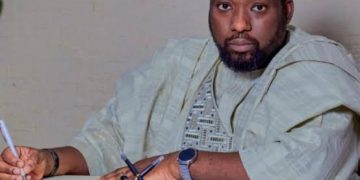





Prince Orji Nwafor-Orizu Esq, an Nnewi-born constitutional lawyer and Principal Partner at Friends Chambers, is throwing his legal weight behind Senator (Prince) Ned Nwoko’s push for Anioma State. Describing the demand as “the second state that must be created” for true regional integration, Nwafor-Orizu says the move is less about politics and more about correcting a structural gap that leaves the South East shortchanged. He spoke with our correspondent in Abuja on the law, the politics, and the path to parity, reports Hyacinth Eku.
The constitutional lens
Nwafor-Orizu frames Anioma State as a constitutional issue, not a political favour. He notes that while the North West has seven states and other zones have six, the South East still has five. That shortfall costs the zone three senators, three ministerial slots, and a measurable portion of federal revenue.
Backing from the Senate’s top seat
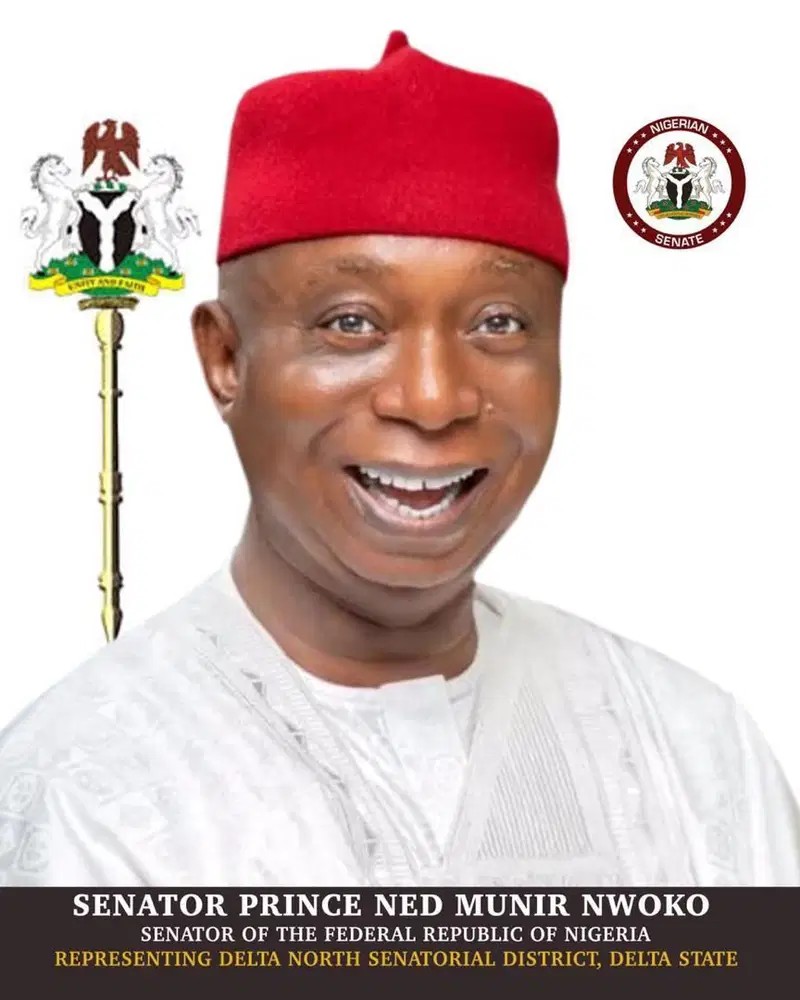
Momentum grew after Senator Ned Nwoko, representing Delta North in the 10th Senate, moved for Anioma State to be carved out and added to the South East. At the recent South South APC congress in Asaba, Senate President Godswill Akpabio endorsed the call. Nwafor-Orizu calls that support “crucial,” saying Akpabio’s position as South South leader can push the agenda forward.
What regional integration really means
For the lawyer, integration is measurable. Equal states mean equal voice. With five states, the South East enters every national debate with fewer votes in the Senate and fewer hands in the Federal Executive Council. Anioma, he argues, closes that representation gap.
Answering the cost question
On fears that a new state would strain resources, Nwafor-Orizu is firm: this is not state proliferation but redress. “The South East has been shortchanged for too long,” he says. “Creating Anioma State corrects a historical injustice.”
The price of inaction
If Anioma is not created, the South East remains structurally disadvantaged. Nwafor-Orizu warns that continued underrepresentation in the Senate and in ministerial appointments will have “far-reaching implications” for the region’s development and for national cohesion.
Not a political ploy
He rejects claims that the agitation is a “plaited political move.” The demand, he insists, is rooted in fairness and federal character. “We are not asking for special treatment, but for what is rightfully ours,” he says.
The amendment road map
State creation requires a constitutional amendment: two-thirds of the National Assembly and approval by at least 24 state Houses of Assembly. Nwafor-Orizu lists the next steps as securing support in both chambers and building broad national buy-in.
Why public support matters
Legislative votes alone won’t carry it. “The support of the Nigerian people is crucial,” he says. Public sensitization must explain that Anioma is about balance, not secession or advantage, and that equity strengthens the federation.
The media’s assignment
He sees a “critical role” for the press in that sensitization. Clear, factual reporting can demystify the process, outline the benefits, and counter misinformation that frames the push as sectional.
Defining a ‘normal state’
Nwafor-Orizu clarifies that Anioma is not a novel concept. A “normal state” here means bringing the South East to the same baseline as other zones. It addresses a specific deficit, not an open-ended request for more states.
If it will trigger more demands
He argues Anioma does not set a precedent for endless state creation. The case rests on verifiable imbalance: 5 versus 6 or 7. Meet the parity test, and the justification ends there.
The development dividend
Benefits, he says, are direct: three more senators, at least one more minister, and adjusted revenue sharing. That translates to more projects, stronger advocacy, and deeper integration of the South East into national planning.
Challenges, timeline, and a call to Nigerians
The timeline is uncertain and the hurdles are real, from lobbying the National Assembly to winning public opinion. Still, Nwafor-Orizu urges Nigerians to back Anioma State as “an opportunity to promote regional integration and fairness.” His final word: equity for one zone secures stability for all.