




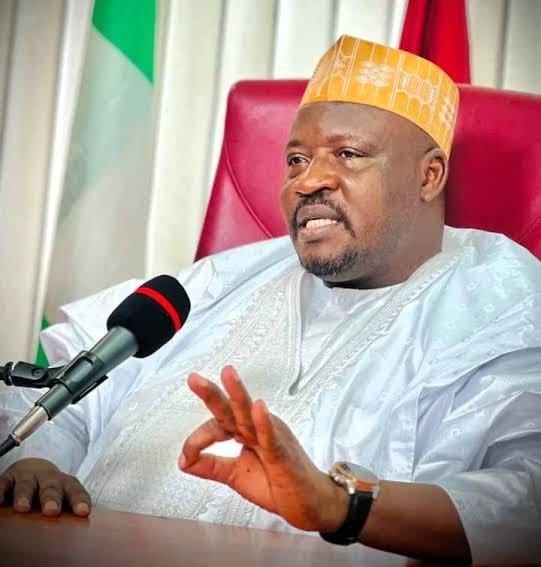
Ekuson Nw’Ogbunka is hereby reporting that when a sitting United States Senator frames Nigeria’s security crisis as a single-faith problem, the impact is felt far beyond Washington. A new statement from Senator Suleiman A. Kawu Sumaila warns that such rhetoric does not clarify Nigeria’s challenges, it distorts them. As debates around Nigeria’s “Country of Particular Concern” status resurface, the question is no longer just about policy labels. It is about who gets to define Nigeria’s reality, and at what cost to national unity.
The trigger was Senator Ted Cruz’s continued campaign to have Nigeria re-designated as a “Country of Particular Concern.” Senator Kawu Sumaila, representing Kano South, said the move ignores both facts on the ground and previous diplomatic progress.
That progress, he noted, was recognized by the administration of former U.S. President Donald Trump, which delisted Nigeria from the CPC category following what Kawu described as “verified progress and strategic diplomatic engagement.”
Kawu’s concern is not just with the label, but with the narrative driving it. He accused Cruz of promoting a storyline that reduces Nigeria’s security crisis to a religious conflict, primarily targeting Christians.
The problem with that framing, according to the statement, is that it is incomplete. Nigeria’s crisis affects multiple communities. Terrorists, kidnappers and bandits attack churches, mosques, markets, schools and villages without distinction.
“Such an approach ignores the realities on the ground and risks deepening divisions rather than encouraging solutions,” Kawu stated. The senator argued that oversimplification makes international policy responses less effective.
The domestic cost could be higher. By casting the conflict in purely religious terms, foreign commentary can inflame local tensions and undermine peacebuilding efforts already underway across states.
Kawu made a direct appeal to the Christian community in Nigeria and abroad. He urged believers to “carefully evaluate the facts and reject narratives that promote division.”
He defined “genuine friendship” with Nigeria differently: support for peace, reconciliation, sustainable development, interfaith cooperation, and respect for sovereignty. Anything less, he said, places all Nigerians at greater risk.
A key point in the rebuttal was the role of Nigeria’s security forces. Kawu emphasized that the military and other agencies include both Christians and Muslims fighting side by side.
Those personnel, he said, face the same threats. The same insurgents who bomb churches also bomb mosques. The same bandits who kidnap in Christian communities also attack Muslim communities.
“Overlooking these shared sacrifices in favour of a divisive political narrative does a disservice to every Nigerian who has suffered from insecurity,” the statement read.
The senator also framed the issue as one of sovereignty. Nigeria, he said, “remains a sovereign nation whose strength lies in the unity and resilience of its diverse people.”
He rejected what he termed the exploitation of Nigeria’s internal challenges by foreign political actors* for ideological or partisan purposes in their home countries.
The statement broadened its audience beyond Washington. Kawu called on the international community, diplomatic partners, and media organisations to be deliberate in how they report Nigeria.
His appeal extended to Nigerians as wellregardless of religion or ethnicity. The call was to reject divisive rhetoric and instead support efforts that promote national unity and sustainable development.
In closing, the message was clear: policy debates about Nigeria should reflect its complexity. Reducing a national security crisis to a single narrative may score political points abroad, but at home it threatens the fragile work of coexistence.