









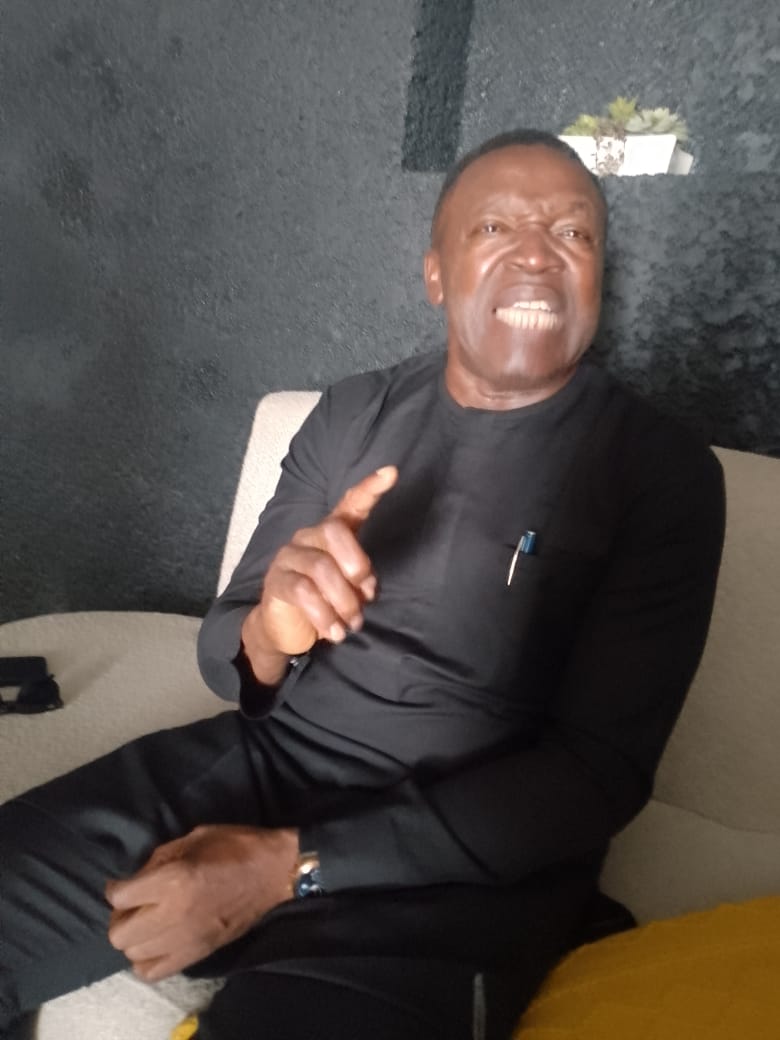
The grievances raised by Hon. Frank Chike Okoli over the Nigeria Nigerian Democratic Congress (NDC) primary in Orumba North and South are more than a local dispute. They point to structural weaknesses in the party that could undermine its 2027 ambition if left unaddressed, Ekuson Nw’Ogbunka, Our Managing Editor in Abuja, the Federal Capital Territory (FCT), analyses.
Okoli’s central allegation is simple: the NDC violated the Electoral Act by failing to conduct ward-based primaries in Orumba North and South.
Instead, he said, the party held a centralized exercise at the LGA headquarters “without informing anybody.” If true, this exposes the party to legal challenges. His second claim is about money politics. “The ticket goes to he who has more money,” he said. This reflects a perception that the NDC, like older parties, is not immune to monetization.
Okoli also raised the issue of double registration, alleging that the person given the ticket had registered in another party weeks earlier before joining NDC on May 10, 2026. These allegations, coming from someone who claims to have “brought NDC” to Orumba, suggest a disconnect between party builders at the grassroots and the national leadership.
Okoli’s loyalty, however, remains with Peter Obi. He traced his support from Labour Party (LP), through to NDC, framing Obi as the reason many aggrieved members are staying. This creates a paradox for NDC: the party’s biggest selling point is Obi, but internal mismanagement risks alienating the very foot soldiers working for him.
On governance, Okoli made a case for Obi using Anambra as a template: improved security, education reform, and fiscal discipline. He also cited Alex Otti’s performance in Abia to argue that four years can be enough.
The analysis here is that NDC is betting on “performance credentials” rather than incumbency, a strategy that resonates with voters tired of the All Progressives Congress (APC). But the entry of Kwankwaso complicates the picture. Okoli described it as a “big boost” for northern votes, yet it also raises questions about party structure and who controls the machinery.
By blaming Sir Dickson and National Secretary Enekwezu, Okoli is pointing to a leadership vacuum during the primaries. This suggests poor coordination between founders and current managers. The risk for NDC is clear. If grassroots mobilizer like Okoli feel sidelined, their energy may wane, even if they still campaign for Obi.
Okoli’s decision not to withdraw and to pursue the matter legally indicates that the crisis may move from party meetings to the courts.
His profile also matters. As a PhD student in public administration and legislative aide to the Deputy Speaker, he represents the class of technocrats the NDC says it wants. The broader implication is that 2027 will not just be APC vs Opposition. It will be Opposition vs Itself, if internal democracy is not fixed.
Okoli’s parting shot sums it up: “Mend your ways.” For NDC, that may be the difference between being a movement and becoming another establishment party.