









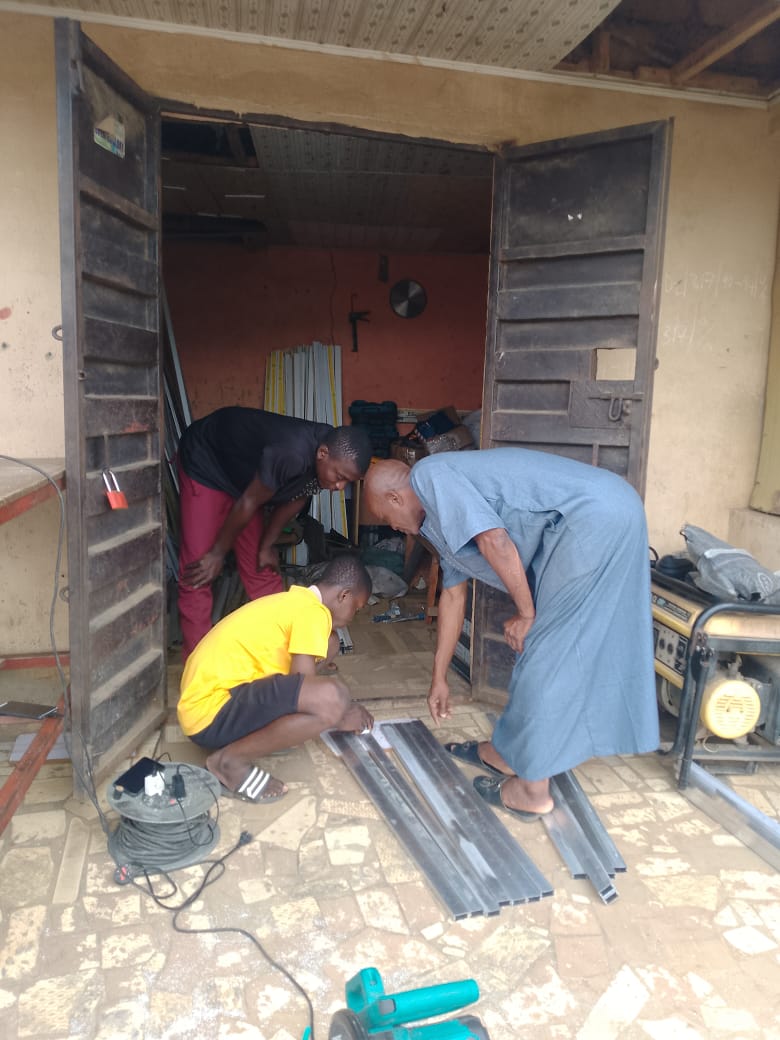
From a workshop floor in Nigeria to the blueprint of a China-style manufacturing rise, George Akor, CEO of Geoprince Aluminium Company, says the real drivers of growth are self-employed artisans and small-scale producers. His 12-point pitch is simple: train more hands, fund them cheaply, power them reliably, and patronize what they make, writes Ekuson Nw’Ogbunka Our Consulting Editor in Abuja, the Federal Capital Territory (FCT).
The Man Behind the Metal: George Akor leads Geoprince Aluminium Company, a firm rooted in hands-on production. For him, the story of Nigeria’s economic future is not just in big corporations, but in the millions of Nigerians mastering a trade.
Training the Next Generation: Akor says skills must be passed on. He has personally trained over 50 apprentices, many of whom now run their own businesses “and are doing wonderfully, who have trained many and are still training others, while those they trained are equally contributing too.” For Geoprince, apprenticeship is not charity. It is a production line for entrepreneurs.
The China Lesson: He points to China’s rise and calls handiwork “the magic” behind it. Mass self-employment, steady skills transfer, and export-oriented small firms turned craftsmanship into a national economic engine. Nigeria, he argues, can replicate that model.
Competition Breeds Quality: Akor believes competition among artisans improves standards. “Through competition, those in similar handiworks usually come out with quality products,” he says. When workshops push each other, consumers win.
Goods and Services, Closer to Home: Self-employed producers make the economy local and responsive. They put products where demand is, cut delays, and keep money circulating in communities. That proximity, Akor notes, is a hidden advantage of Nigeria’s informal sector.
What Government Can Do: Soft Loans: The first ask is finance. Akor is calling for government-sponsored, low- or no-interest soft loans from banks. With cheaper capital, artisans can scale, produce more food and goods for local markets, and begin exporting.
From Local to Global: With the right funding, he says Nigerian-made goods can compete abroad. That shift would improve the country’s balance of trade and put “Made in Nigeria” on more international shelves.
The China Partnership Model: In China, Akor explains, agencies actively work with artisans, partner on production, expand exports, and train more apprentices. He wants Nigeria to adopt similar hand-in-glove support between government and craftspeople.
Buy Nigerian First: Beyond loans, Akor urges government patronage. Public procurement from local producers, he says, is the fastest way to keep workshops busy, apprentices employed, and revenue reinvested in growth.
Power That Doesn’t Kill Margins: Electricity is the biggest cost driver. “Epileptic supply and high tariffs” push costs up, he warns. Where there is no light, producers switch to gas, “which is very costly,” and those costs land on final prices.
Fix Roads, Fuel, and Gas Prices: Infrastructure matters as much as power. Poor roads and high fuel and gas costs are passed straight to consumers. Reducing those inputs, Akor says, will make Nigerian products more affordable and competitive.
A Vote of Confidence, With a Nudge: Akor hails government performance but is clear on what comes next. Fund artisans cheaply. Buy what they make. Keep the lights on. Fix the roads. Do that, he says, and Nigeria’s self-employed sector will do the rest, training, producing, exporting, and powering the next phase of growth.