






Proper management and cushioning the masses is the only right path
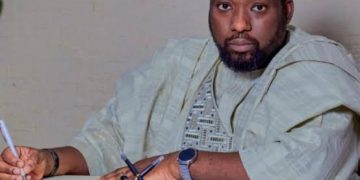
By Hon. Frank Chike Okoli
The debate on subsidy removal has returned to the front burner of our national conversation. For years, it has been described as a drain on our economy, a conduit for corruption, and an unsustainable burden. On that, there is broad agreement.
However, agreement on the problem is not the same as agreement on the solution. The way we remove subsidy matters just as much as the decision to remove it.
The correct step is subsidy removal with proper accountability, sound management, and deliberate arrangements to cushion the effects on the masses. The wrong step is the fire brigade approach: abrupt announcement, no preparation, no safety net, and leaving the people to bear the full shock.
Why subsidy must go, but wisely
We cannot continue a system where public funds meant for schools, hospitals, and roads are lost to inefficiency, smuggling, and outright fraud. A nation cannot grow when a large portion of its revenue disappears into a black hole with no clear benefit to the ordinary citizen.
Subsidy removal, if well managed, can free resources for investment in critical infrastructure, healthcare, education, and job creation. It can help us build a productive economy instead of a consumption economy.
But reform without planning is cruelty. Reform without compassion is wickedness.
The Problem with the Fire Brigade Approach
A fire brigade approach is to act first and think later. It is to announce a major policy shift overnight and expect families, transporters, businesses, and farmers to adjust instantly.
The result is predictable: sudden rise in the cost of transportation, food, and basic services. It pushes more people into poverty. It fuels inflation. It erodes public trust. And it creates the impression that government is disconnected from the suffering of the people. That is not reform. That is imposition.
The Right Approach: Accountability, Management, and Cushions
If we must remove subsidy, then we must do it right. This requires three things working together.
First Is Accountability. Nigerians must be shown, in clear and verifiable terms, how much is being saved and where every kobo will go. The era of opaque budgets and secret deals must end. There must be open books, regular audits, and public reporting. The people have a right to know.
Second Is Proper Management. The savings from subsidy removal must not disappear into waste or be diverted. It must be managed with discipline and channeled into productive sectors that create jobs and improve lives. Procurement must be transparent. Projects must be tracked. Results must be seen.
Third Is Cushioning the Effects. You cannot take something away from the people without giving them something in return, at least in the short term. Government must put in place targeted support before, not after, the policy takes effect. This means investment in mass transit to reduce transport costs. It means direct support for the most vulnerable. It means support for farmers to reduce food costs. It means ensuring public hospitals and schools are functional so families spend less out of pocket.
People will support difficult decisions if they trust that the pain is temporary and that the leadership is sincere.
Leadership and Trust
The difference between a successful reform and a failed one is leadership. Leaders must communicate clearly, consult widely, and lead by example. They must cut the cost of governance first. They must live modestly. They must show that they too are making sacrifices.
When people see that leaders are accountable and that the system is fair, they are willing to endure short-term hardship for long-term gain. When they see the opposite, they resist, and rightly so.
Conclusion
Nigeria deserves better than knee-jerk policies. We deserve thoughtful, humane, and transparent governance.
Subsidy removal is necessary, but it must not be a punishment. It must be a transition to a better economy. And that transition must be managed with accountability, with proper planning, and with deliberate care for the masses.
Let us reject the fire brigade approach. Let us choose the path of dialogue, preparation, and compassion.
Because at the end of the day, governance is about people. And any policy that does not put the people first will fail, no matter how good it looks on paper.
God bless the Federal Republic of Nigeria.